



Robotic Wickering: Fiber-Mycelium Hybrid Modular System


Robotic Wickering: Fiber-Mycelium Hybrid Modular System
Author: Omar Abdelhady
Supervisors: Victor Sardenberg (1), Jens-Uwe Schulz (2), and Hans Sachs(2).
1. Department of Computational Design, Master of Integrated Design (MID), Technische Hochschule Ostwestfalen-Lippe, 32756 Detmold, Germany.
2. Faculdade de Arquitetura e Urbanismo, Universidade Presbiteriana Mackenzie, São Paulo, Brazil.
Summary
The construction industry is under significant pressure to fight climate change by using fewer resources and reducing greenhouse gas (GHG) emissions. Enhancing material efficiency, along with diversifying material sources and adopting circular design strategies, is essential to maximize service life and minimize waste. Mycelium-based composites (MBCs) have gained attention as biodegradable, low-carbon, lightweight materials, and can be a potential solution. However, their limited capacity to endure strong longitudinal stresses has restricted their wide adoption, though their customizable nature offers potential for various sustainable construction applications.
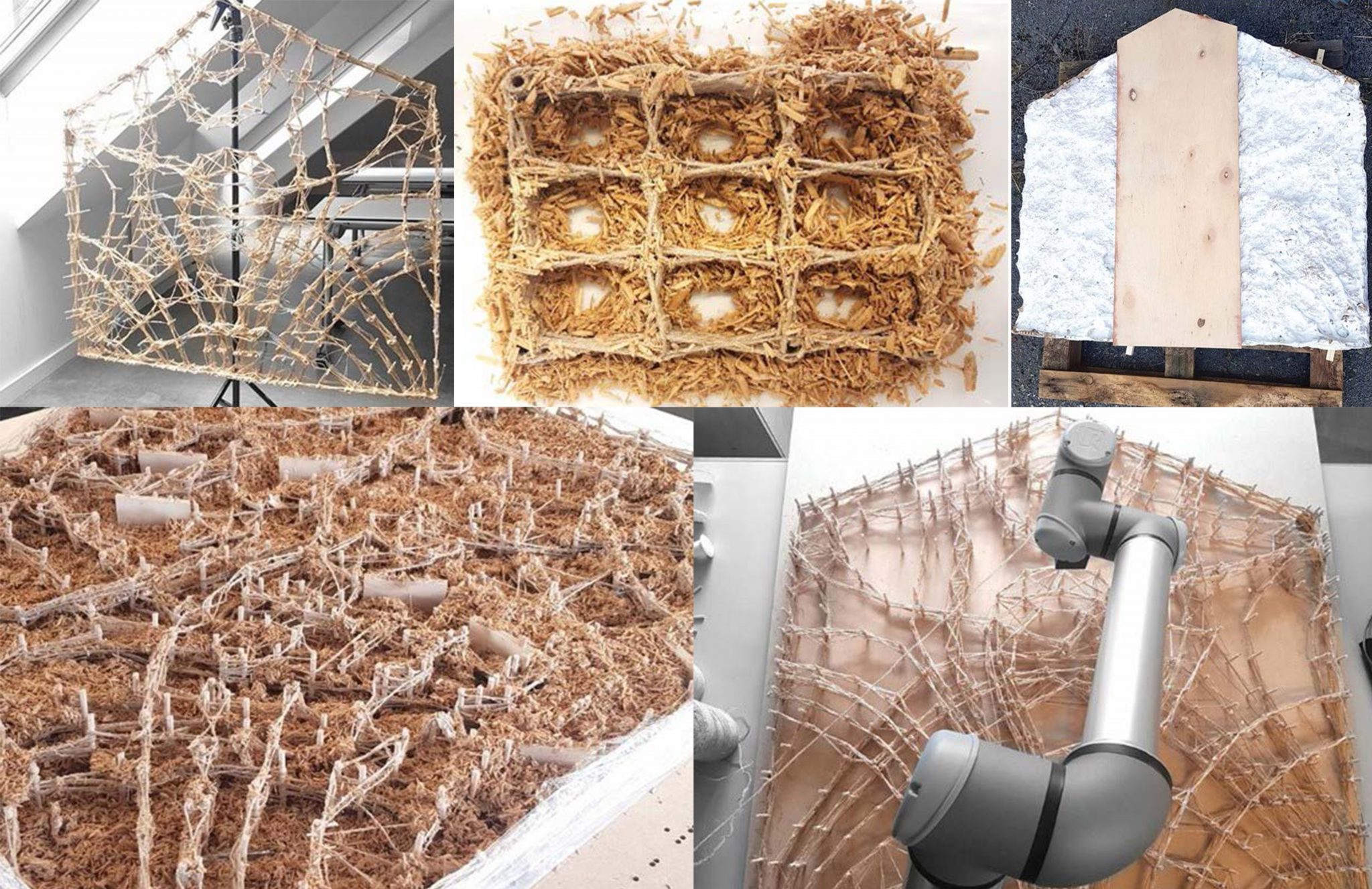
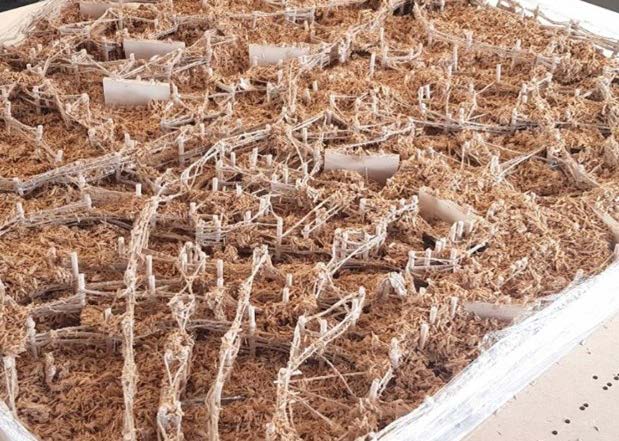
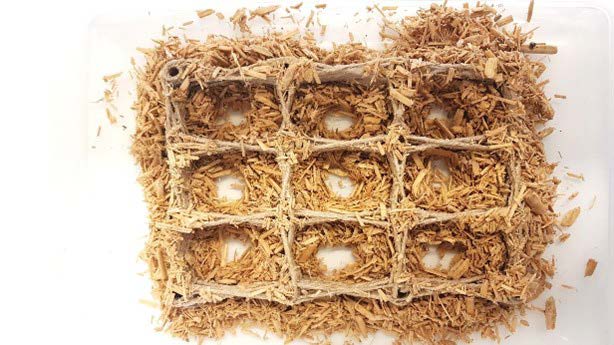
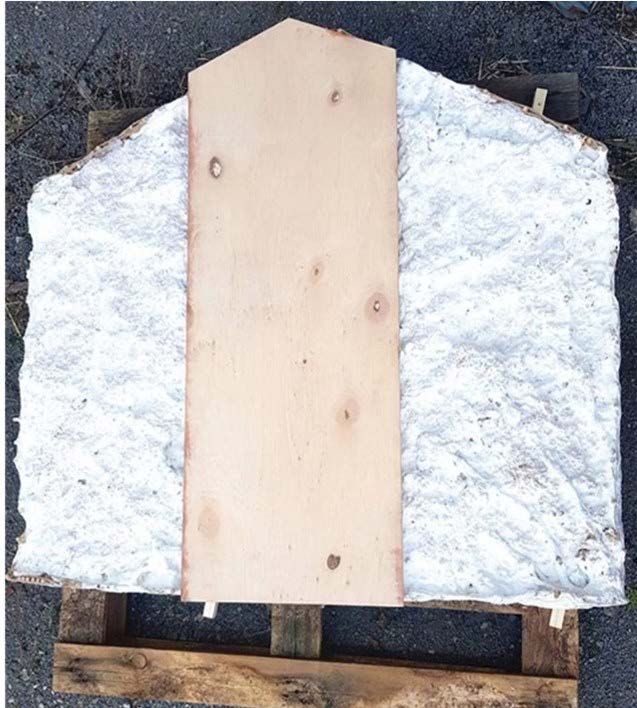
Selected reviewed projects have therefore focused on integrating reinforcement strategies, such as natural and wood fibers, similar to how steel reinforcement enhances concrete’s strength, to enhance the structural capabilities of MBCs. This paper focuses on developing reinforcement strategies for MBCs by designing a 2D natural fiber wicker-lattice frame through custom robotic additive manufacturing, serving as both a lost mold and reinforcement to enhance structural performance for large-scale applications.
For the Full article, click here!