MID Thesis: Digital Typha-House


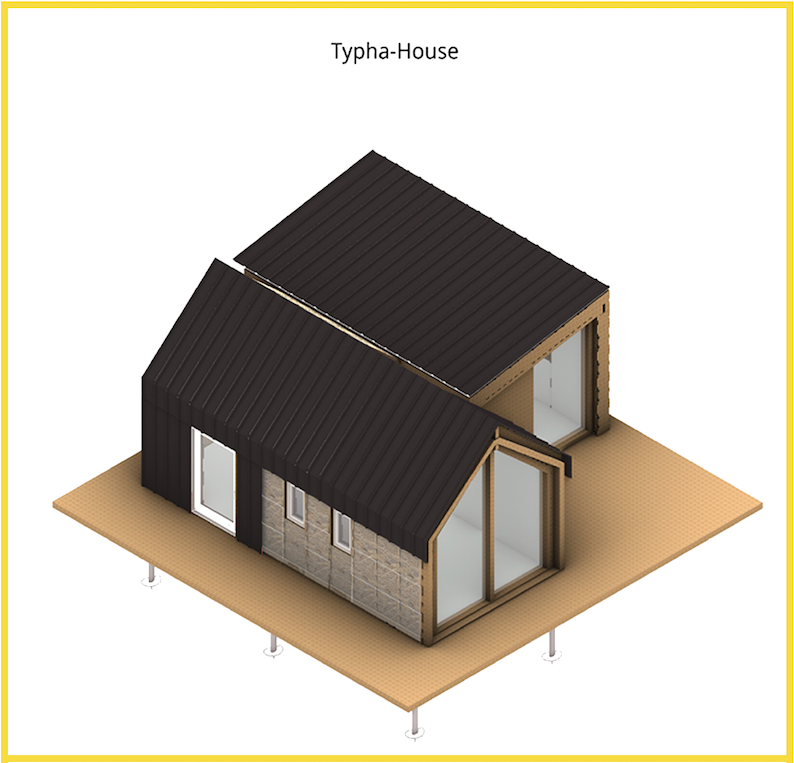
Typha-House: A Digital Framework for Eco-Friendly and Adaptive Housing
by Didem Pekdemir, MID, Computattional Design, WiSe 25/26
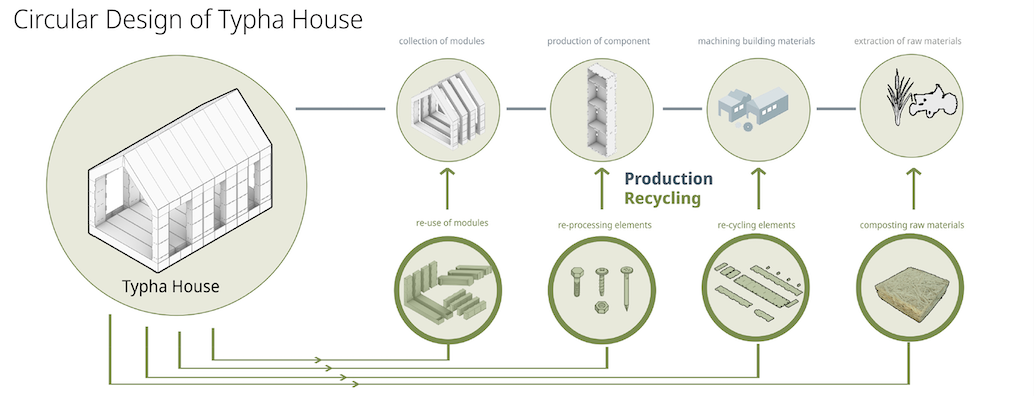
The global housing sector faces increasing challenges in addressing affordability, acces- sibility, and sustainability. Growing urban populations and economic pressures highlight the urgent need for cost-effective housing solutions that can be rapidly deployed while maintaining long-term resilience and comfort. In this context, modularized and prefabricated building ele- ments have gained importance as they enable scalability, reduce construction time, and enhan- ce adaptability to diverse spatial configurations. At the same time, the construction industry must accelerate the integration of sustainable and ecological materials to reduce environmen- tal impact and support circular practices. The digitalization of design and fabrication processes further enhances this shift, offering opportunities for precise resource management, waste reduction, and optimized workflows across the building lifecycle.
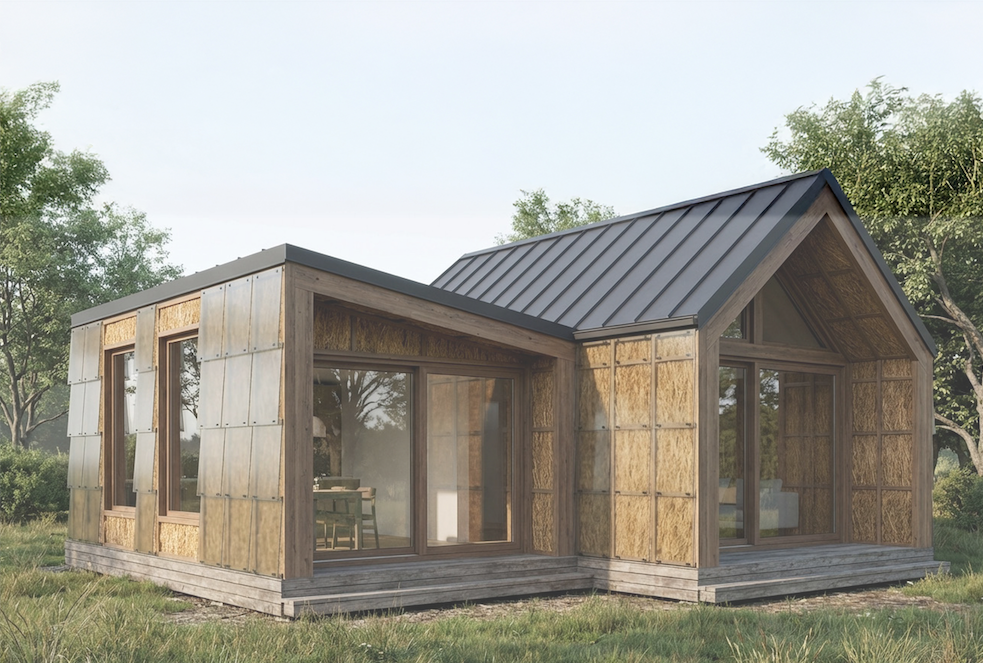
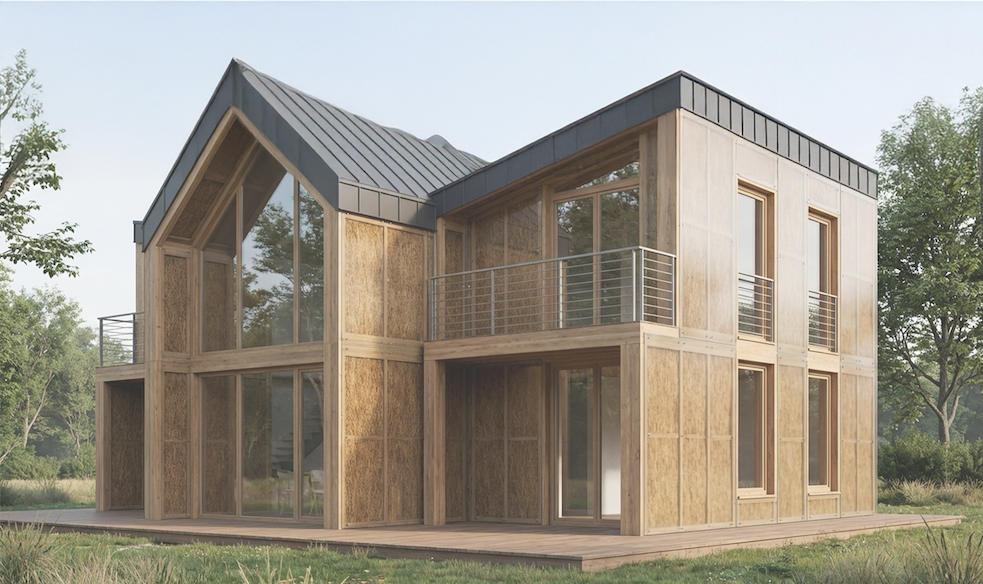
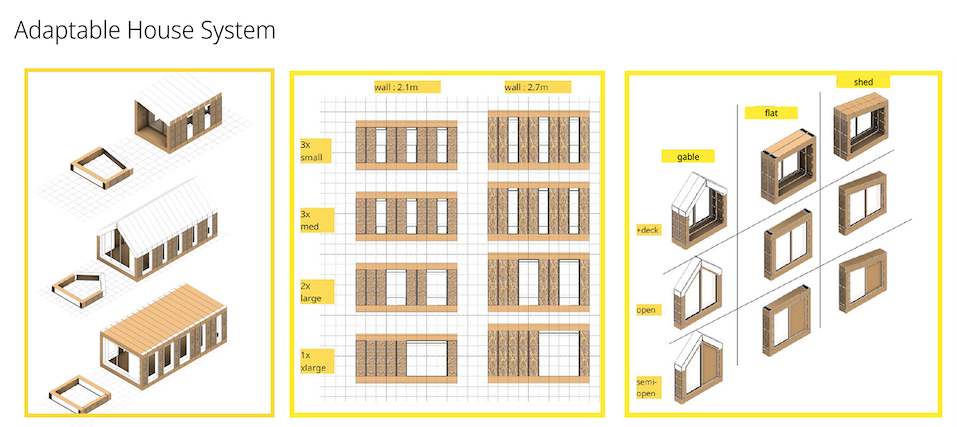
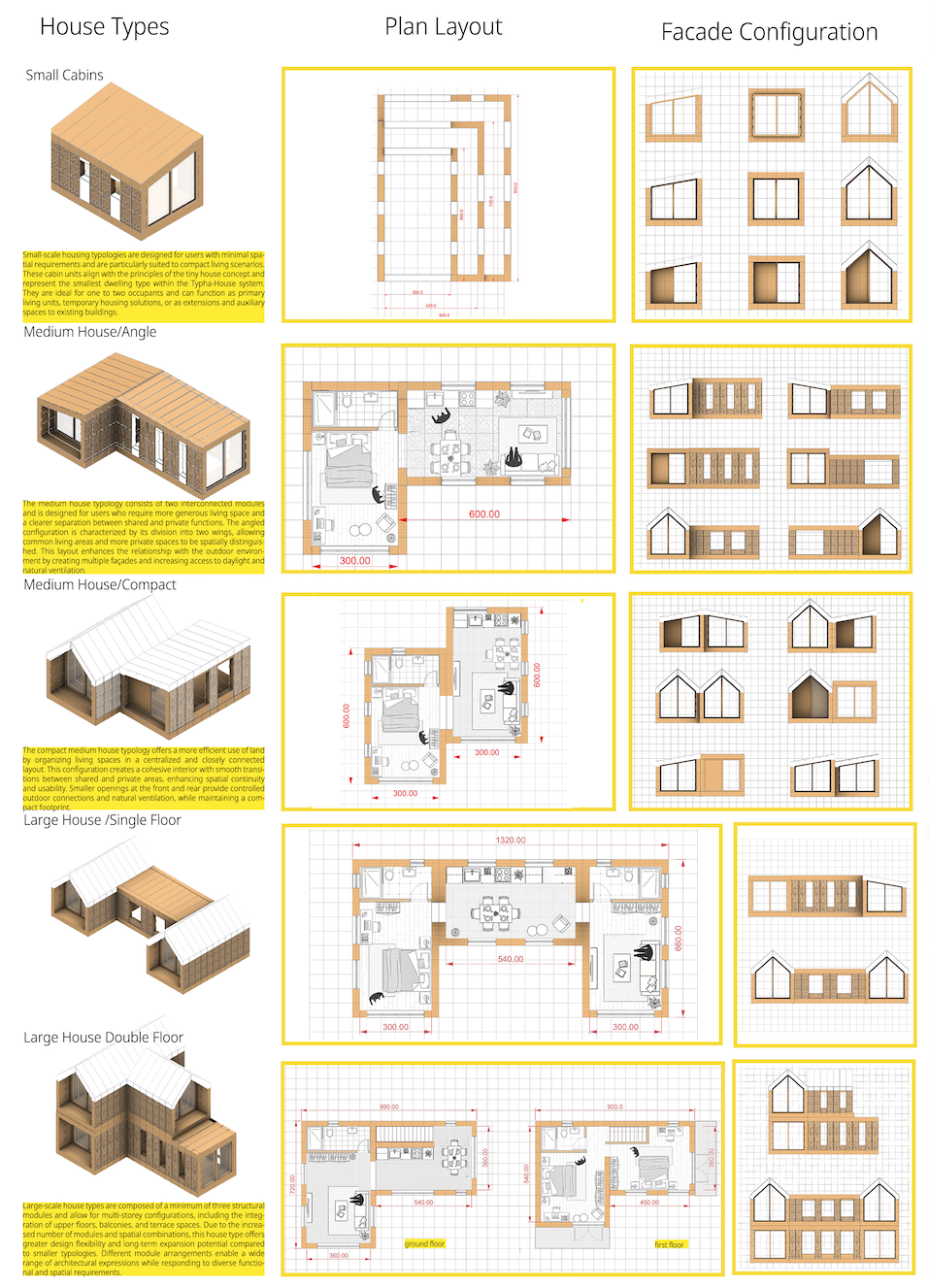
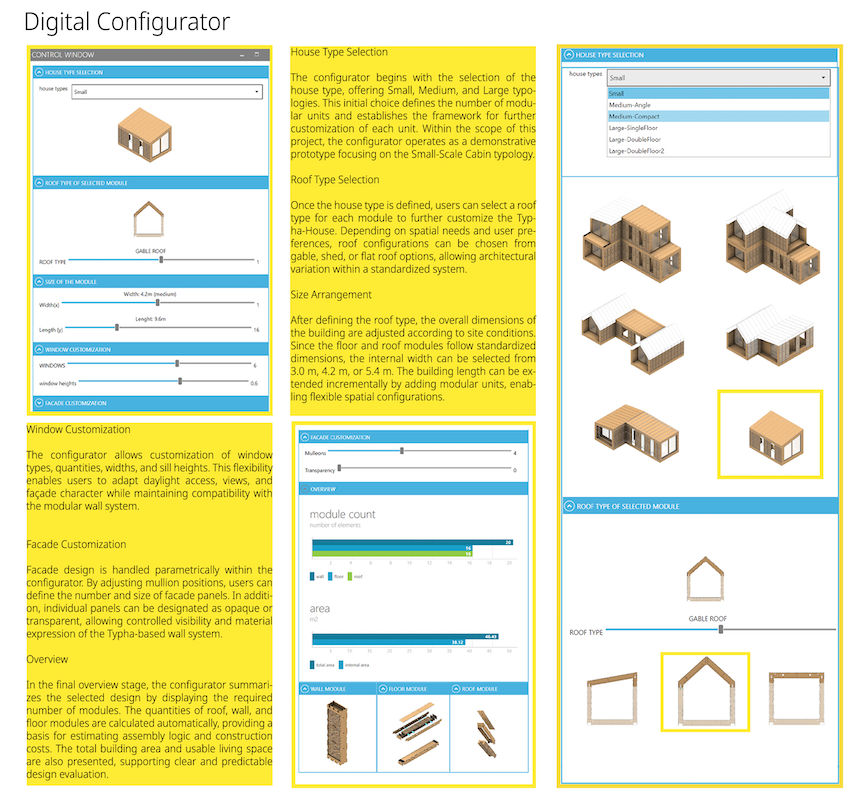
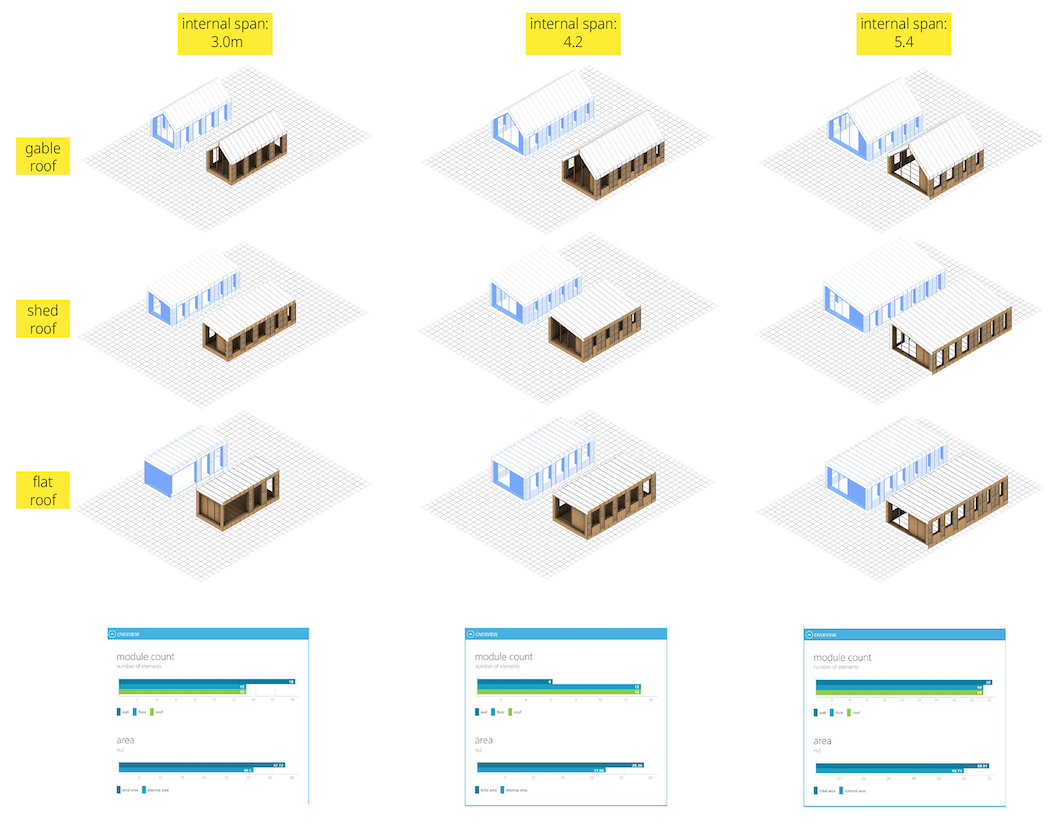
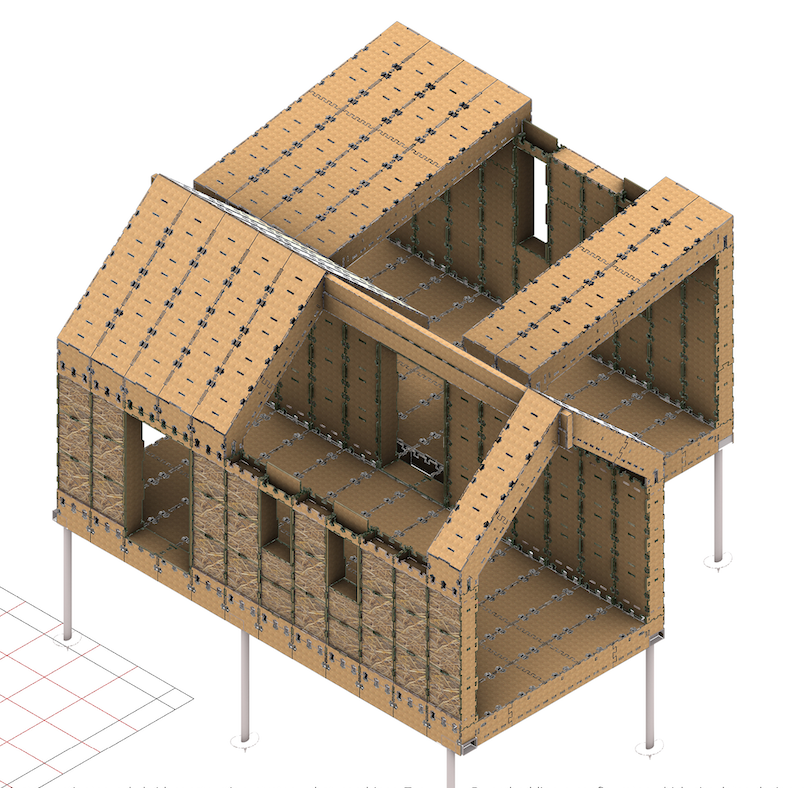
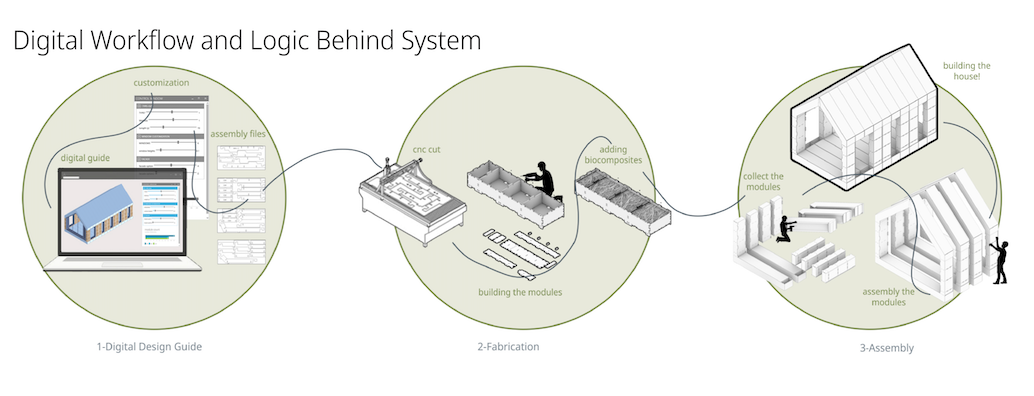
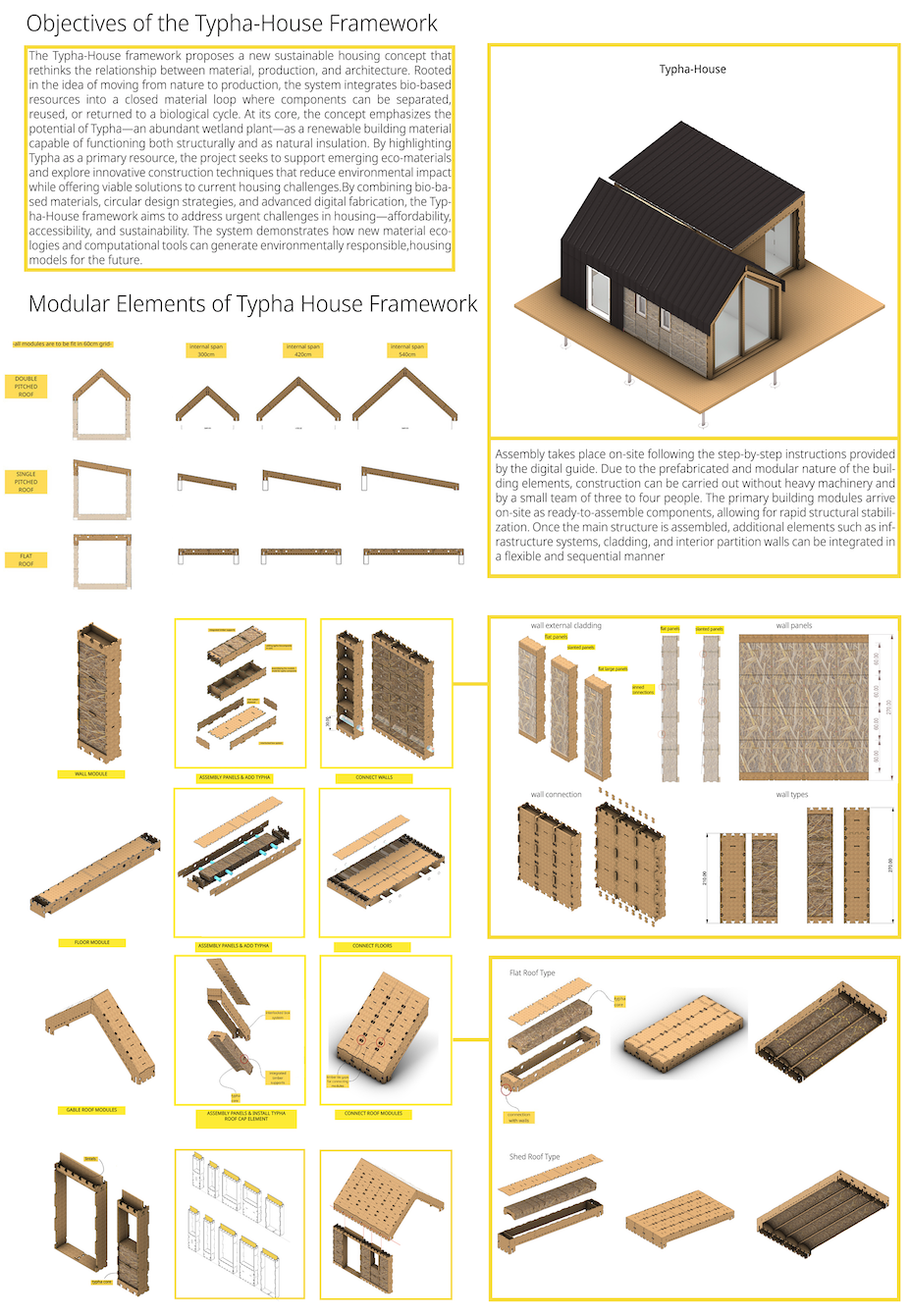
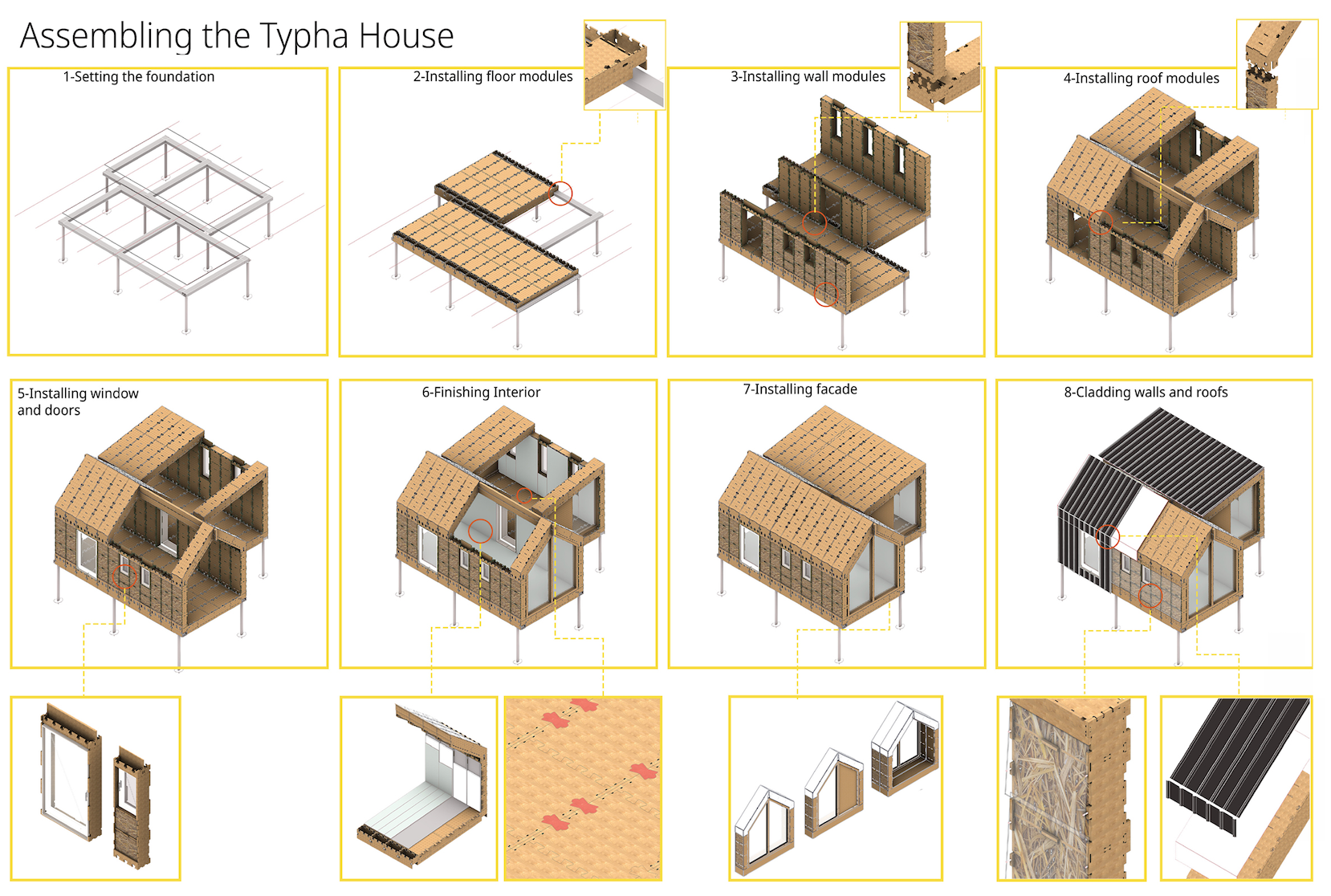
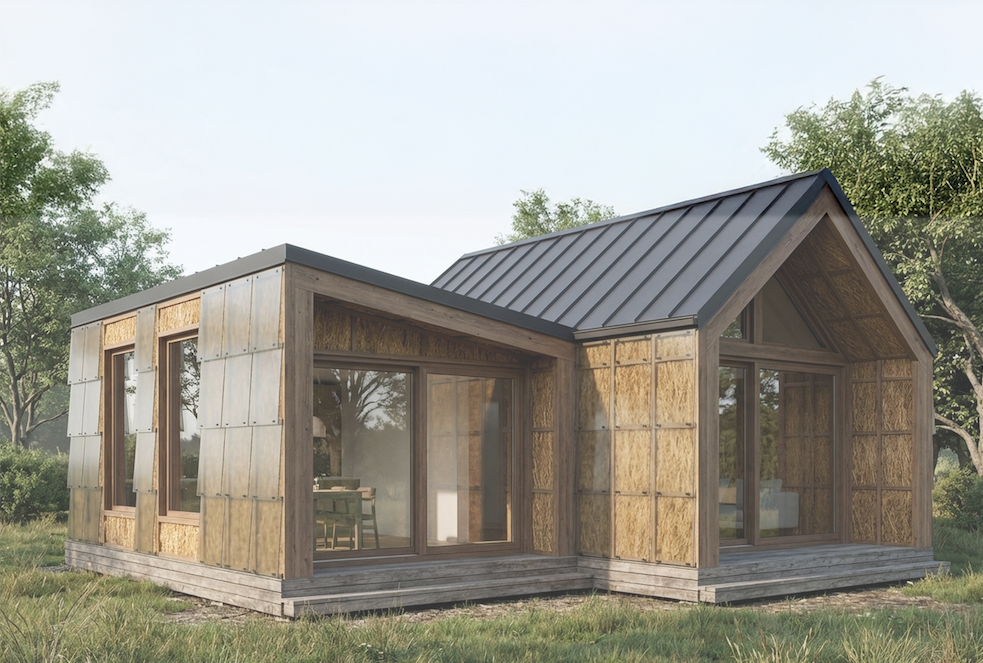
This research investigates a hybrid construction strategy that combines Typha-based bio- composites with timber to develop adaptable and affordable modular housing systems. At the core of the project is the creation of a digital guide through the configurable “Typha-House” concept, encompassing the full process chain from material specification, prefabrication, as- sembly, and disassembly. The framework will be designed to actively engage users in the design process while generating optimized solutions for diverse spatial and functional requirements. Simultaneously, the study explores Typha’s dual potential as both a structural material and na- tural insulation, and examines its integration with advanced digital fabrication methods, inclu- ding CNC cutting to produce self-assembled modular components. By embedding a configu- rator which simulates design options, material usage and construction methods the planning guide functions as a comprehensive decision-support tool that enhances user participation and efficiency in the construction process.
By integrating eco-material innovation with digital processes, this study aims to contribu- te to the discourse on affordable and sustainable housing systems. It demonstrates how the Typha-House digital planning framework can reduce environmental impact, promote circular design, and establish scalable methodologies for the future of housing.