

Digital Crafting dtmI 24


Digital Crafting dtmI 24
The core module “Digital Tools and Methods” aims to explore digital architectural sketching, 3D- and generative modelling, AI Image generation as well as digital fabrication techniques. This connection of digital design and manufacturing coined the term “Digital Crafting”.
The goal is to extend and enhance the work techniques of typical craftsmanship with the help of computation and logic, with extensions such as simulation, generative modelling, digital manufacturing and even intelligently self-developed and controlled production processes.
Throughout the term the students can gain a basic understanding of digital tools as well as material and process related experimental design methods, while exploring new concepts of design making and thinking and naturally developing new design aesthetics.
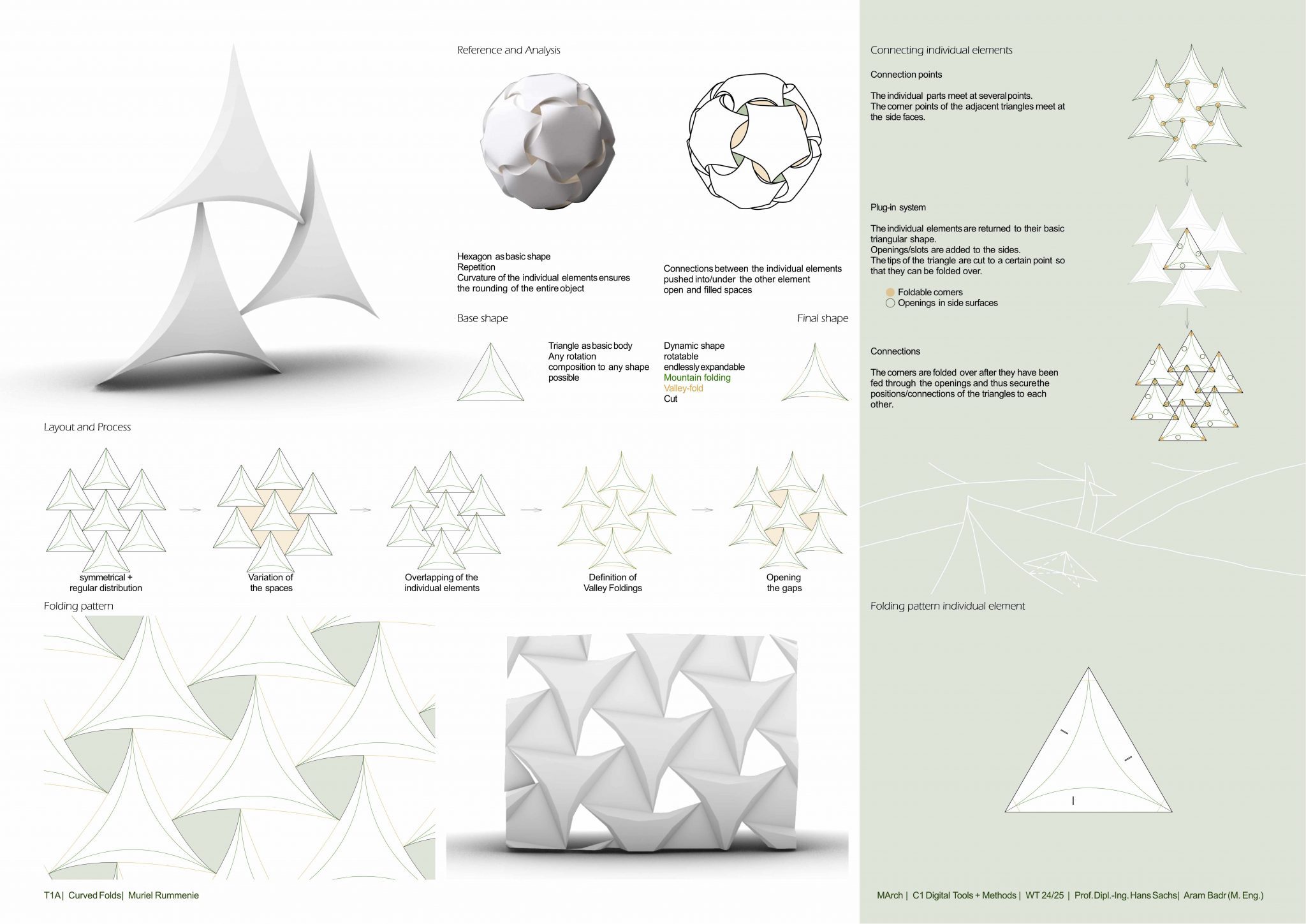
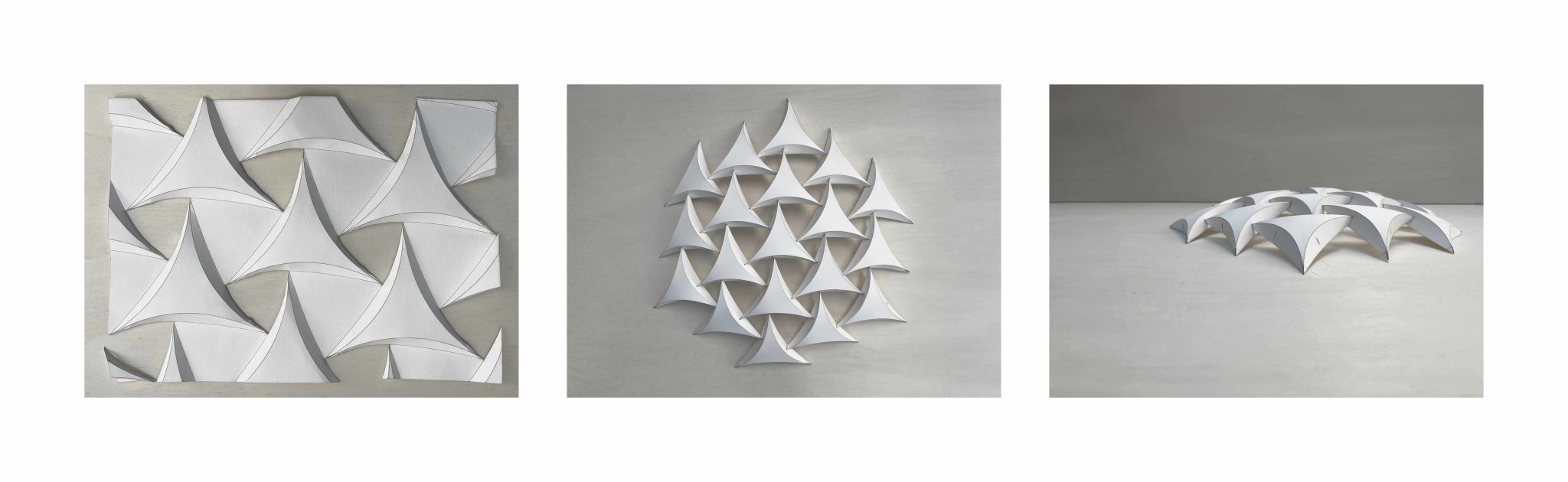
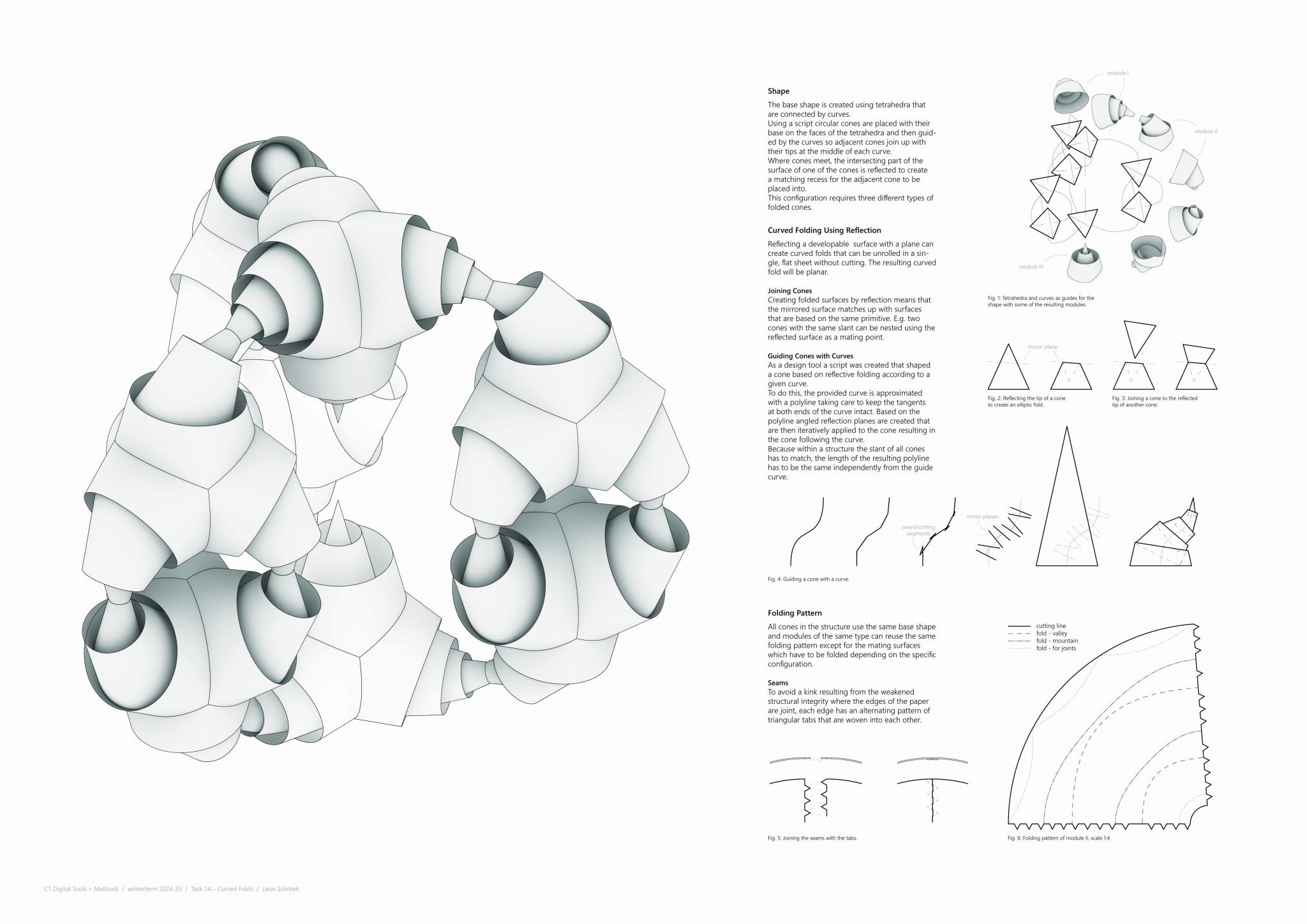
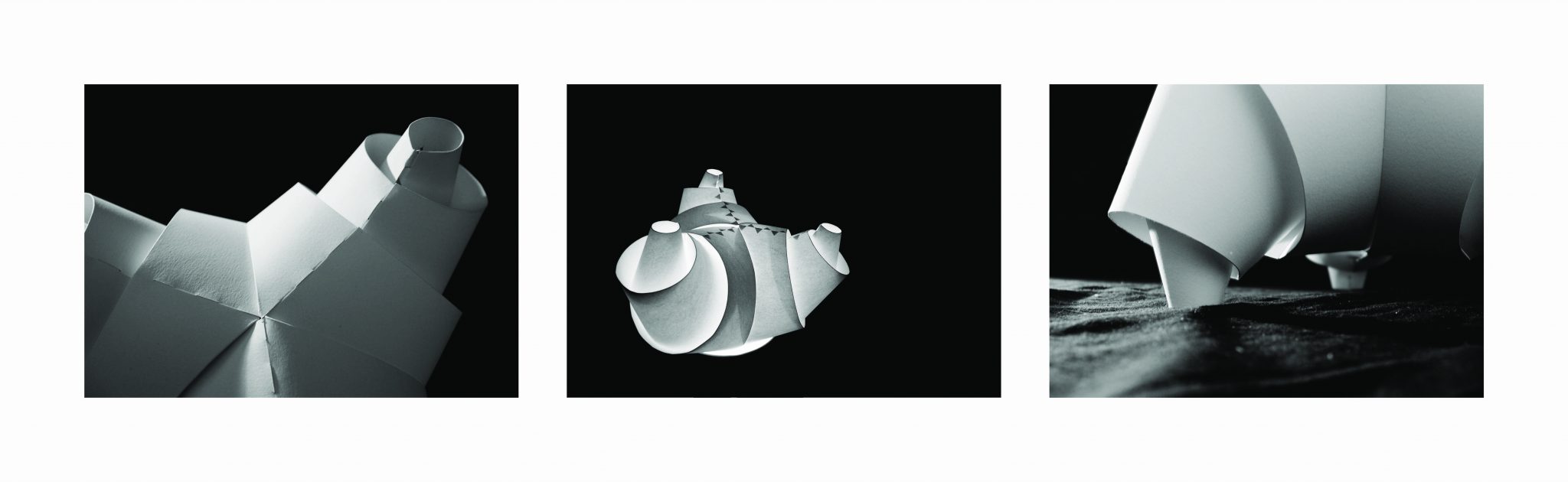
Task 1A: Curved Folds
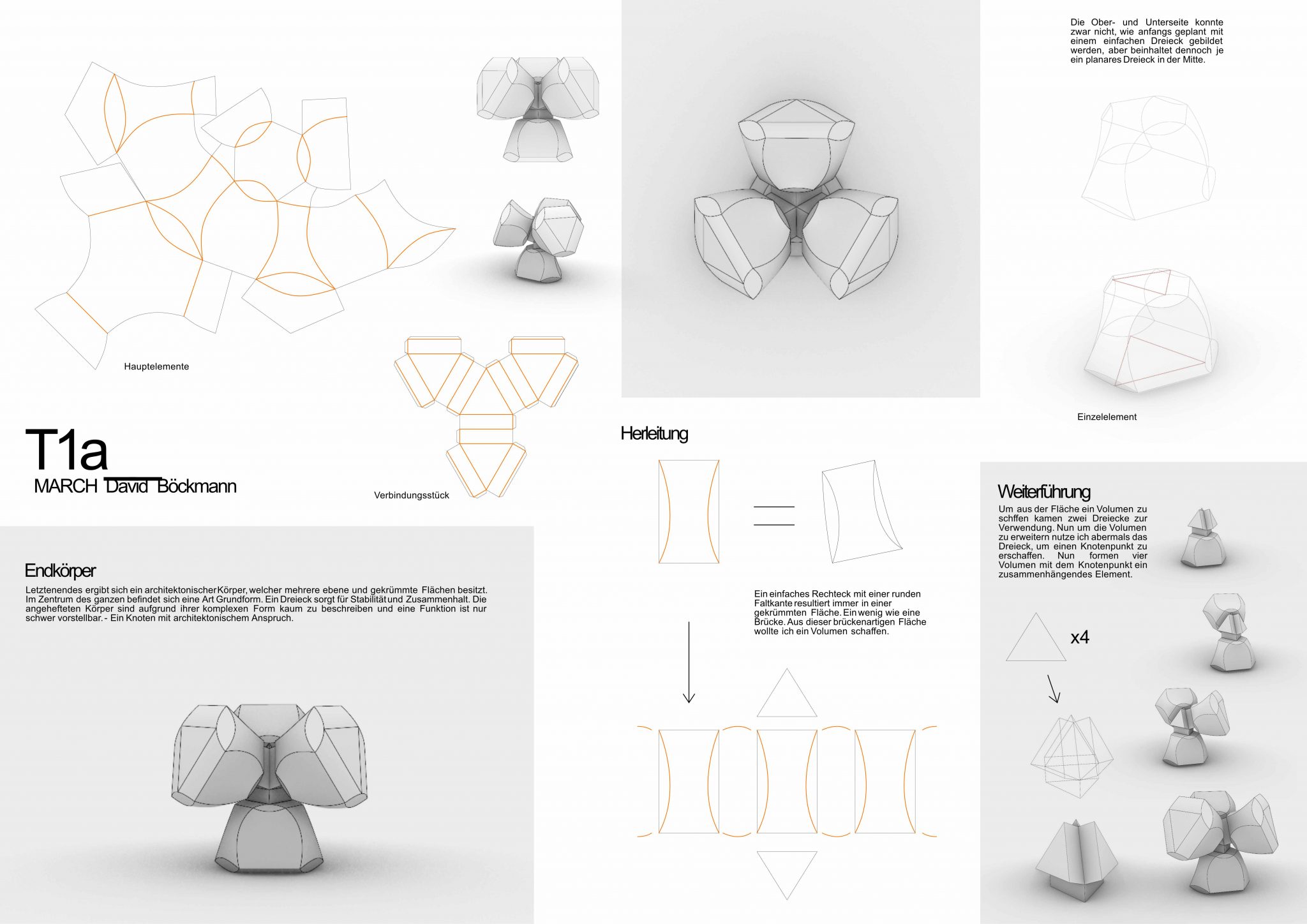
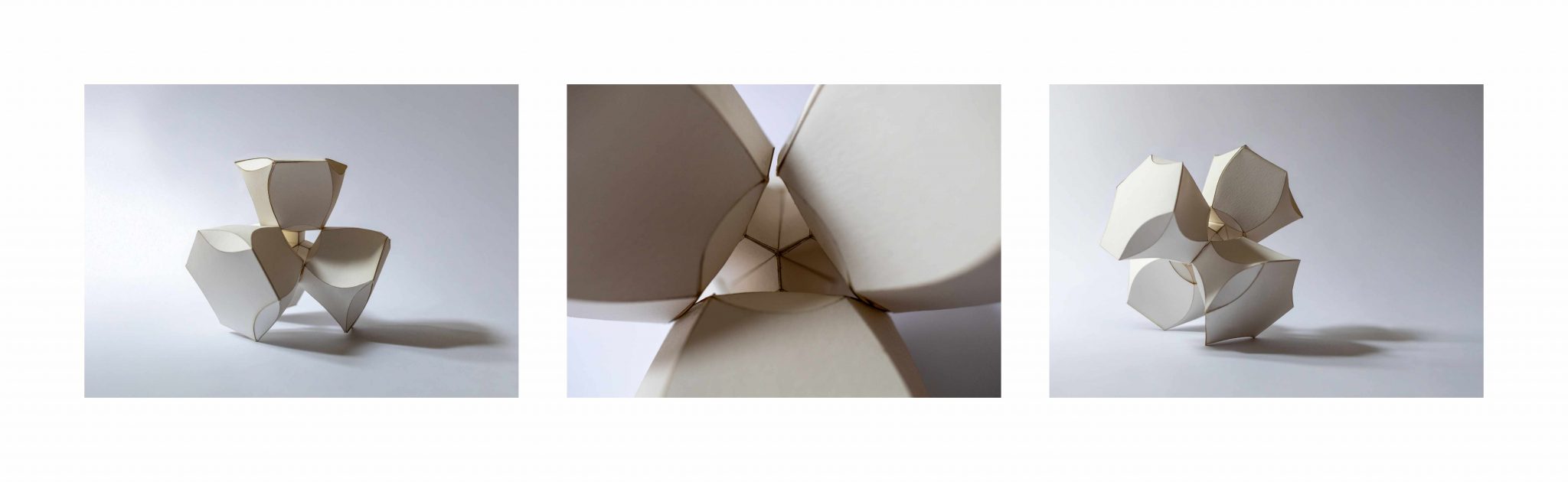
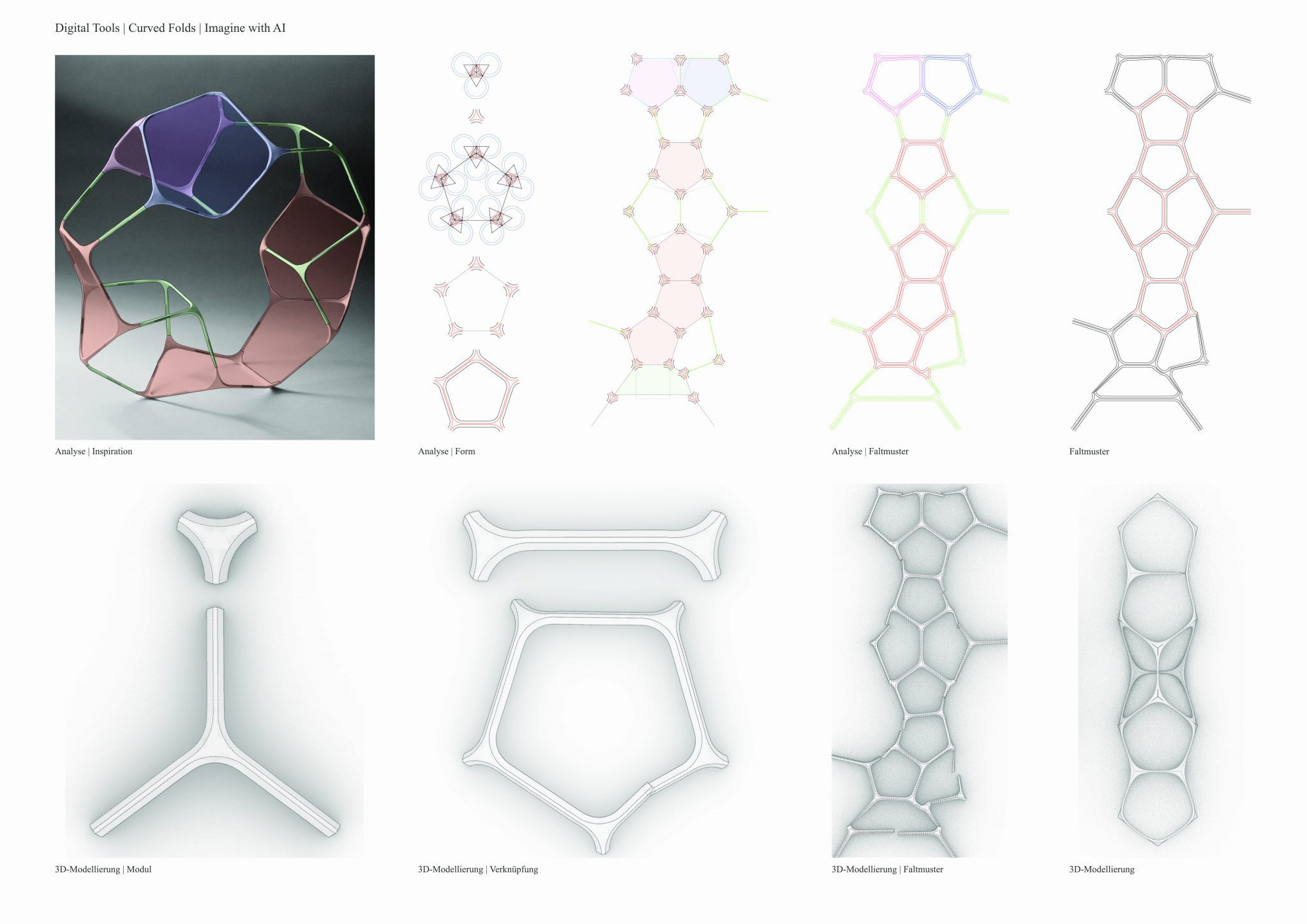
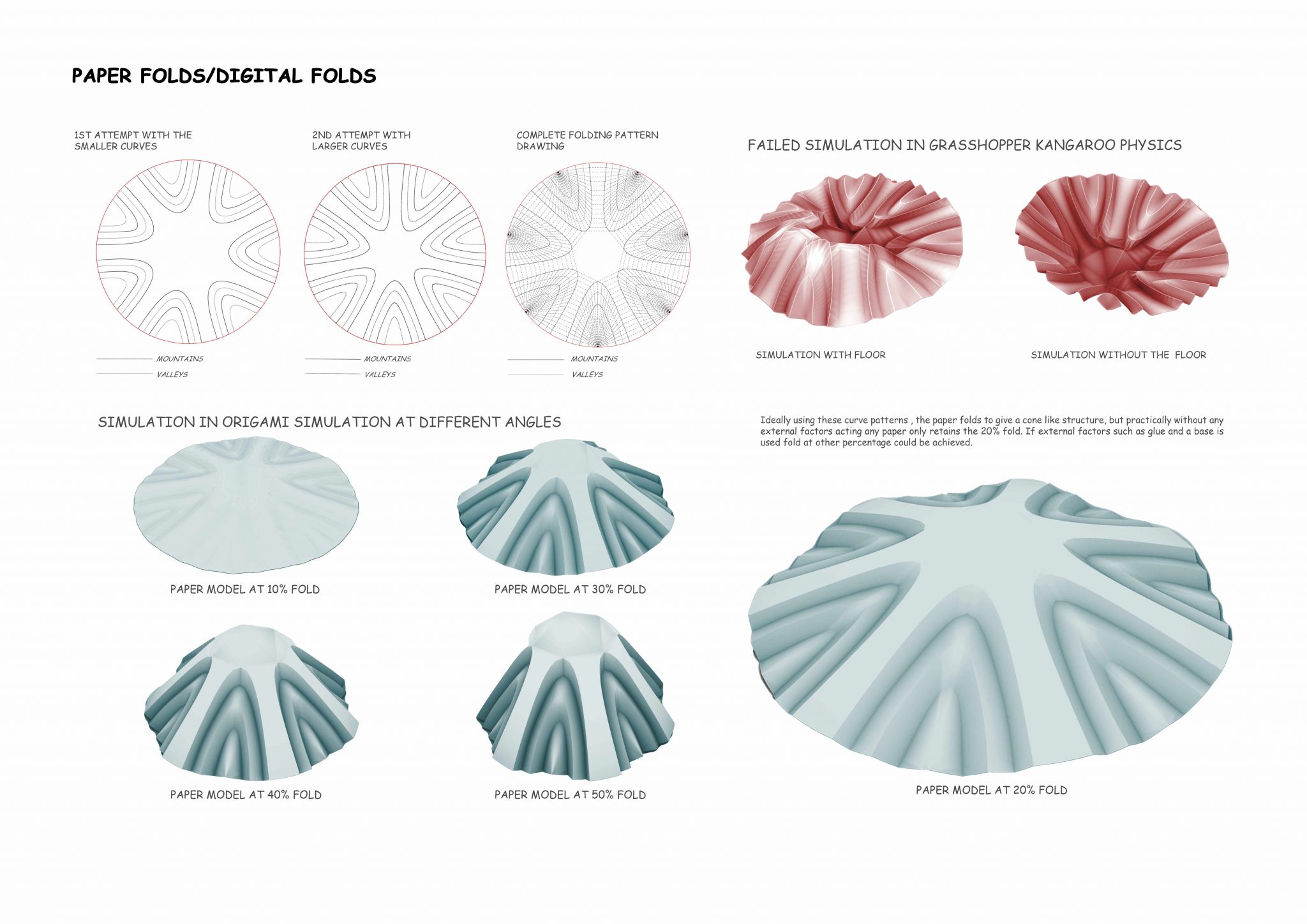
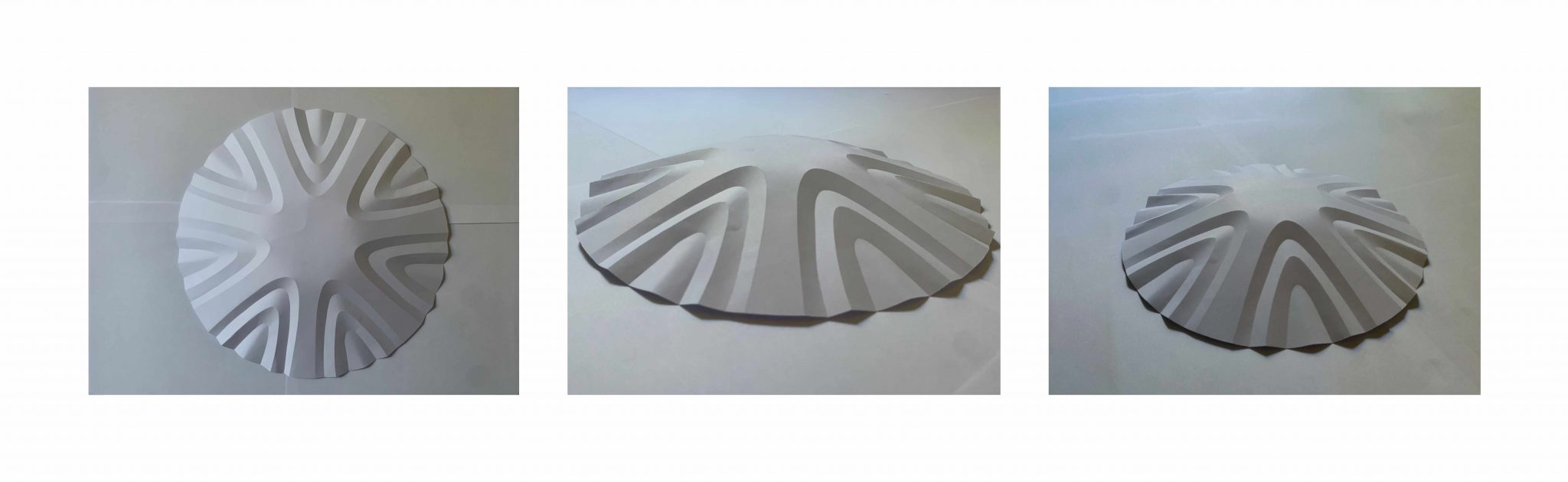
The first task focuses on creating sculptures or models inspired by organic structures and natural growth patterns. The first step is to discover three dimensional forms through physical manipulation of flexible sheet material such as paper, plastic or veneer. While finding the form through physical model making the students additionally develop a 3D-model based on the physical model, using ´free form modeller´ Rhino 3D.
This allows the students to gain more opportunities to explore through the digital model with endless multiplication, mirroring, turning, connecting, simulating, analysing or referencing.
The task aims to show the benefits of both worlds and their interdependence, as well as providing a first and deep insight on specific modelling techniques in Rhino 3D.
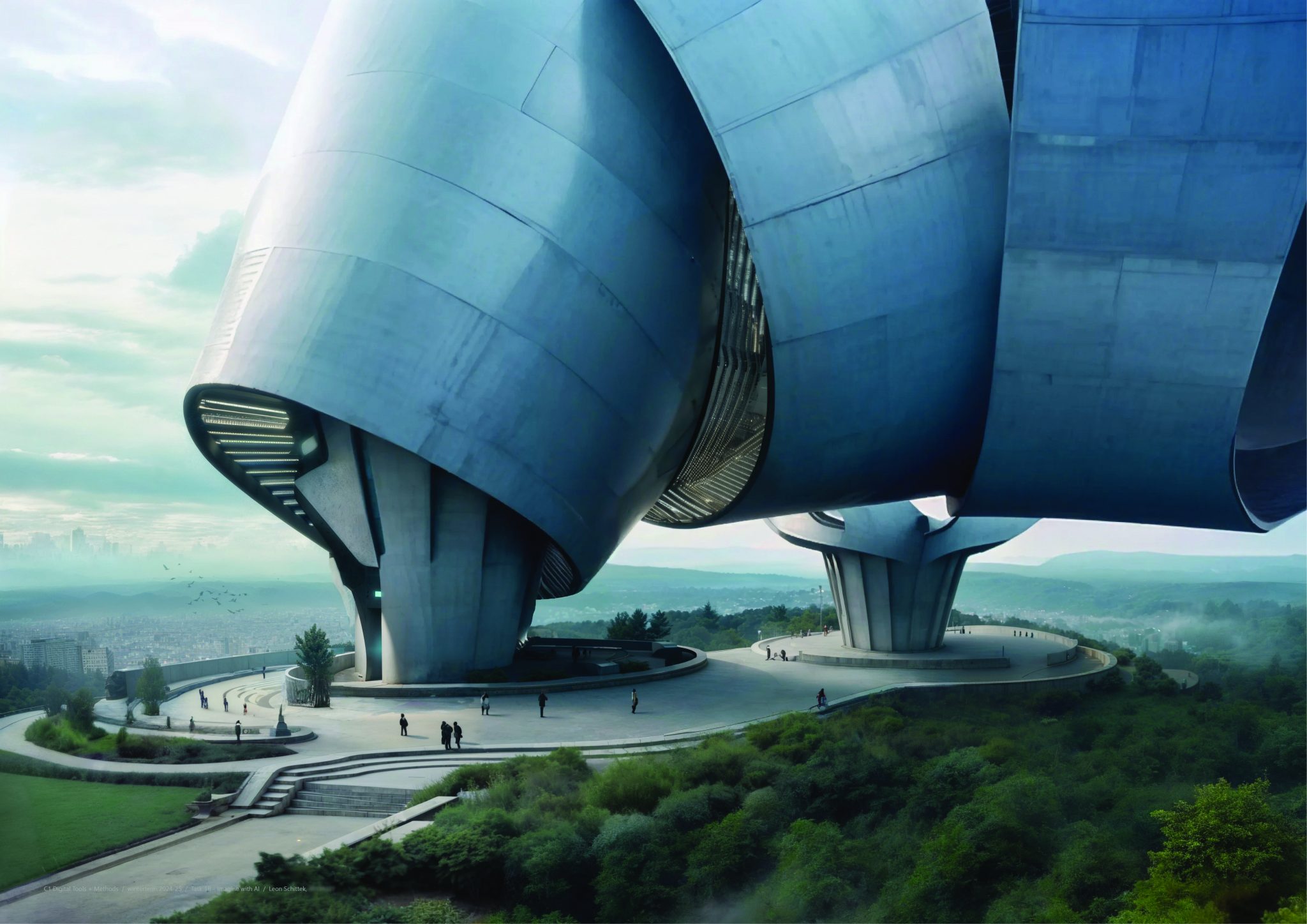
Task 1B: Imagine with AI
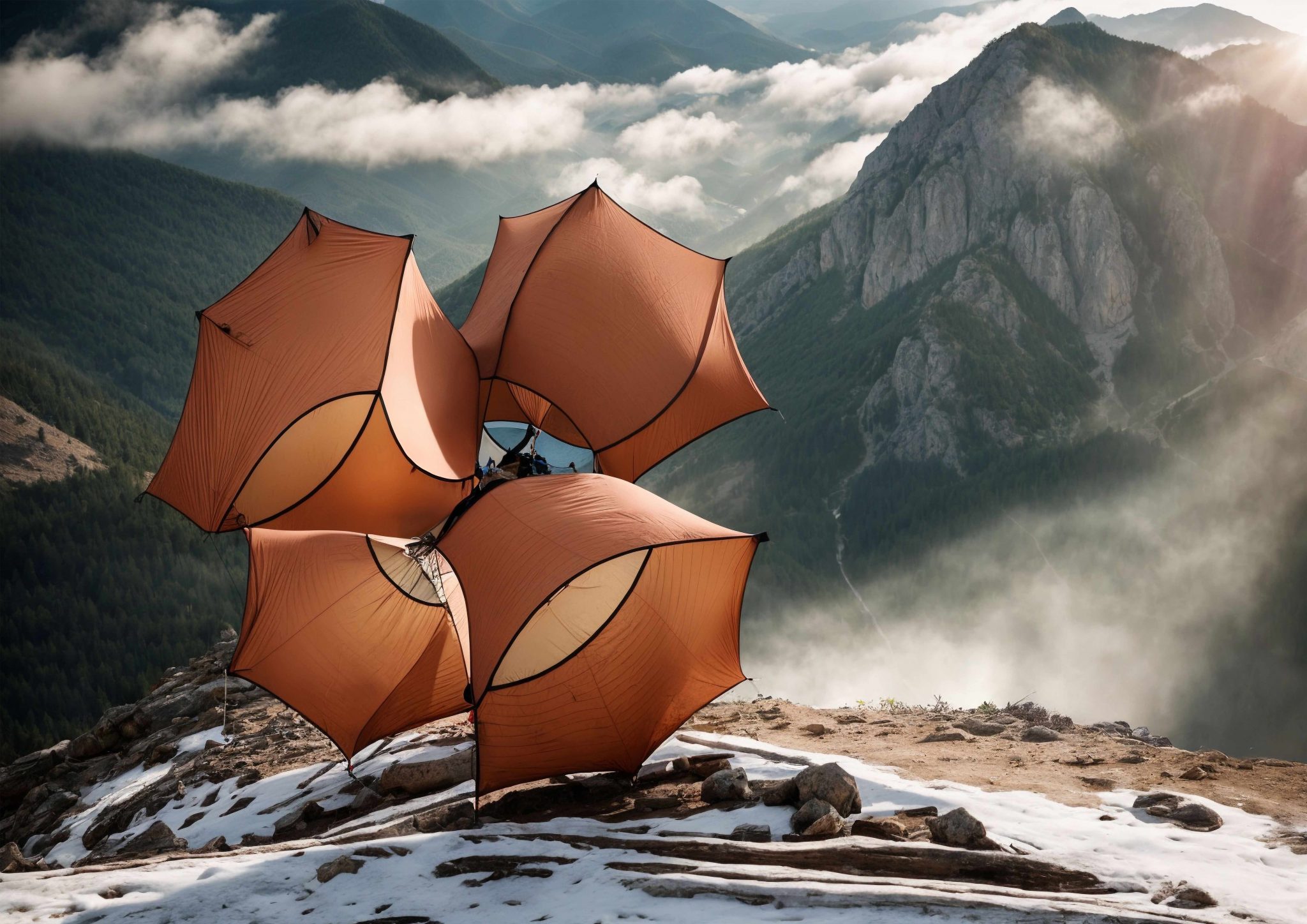
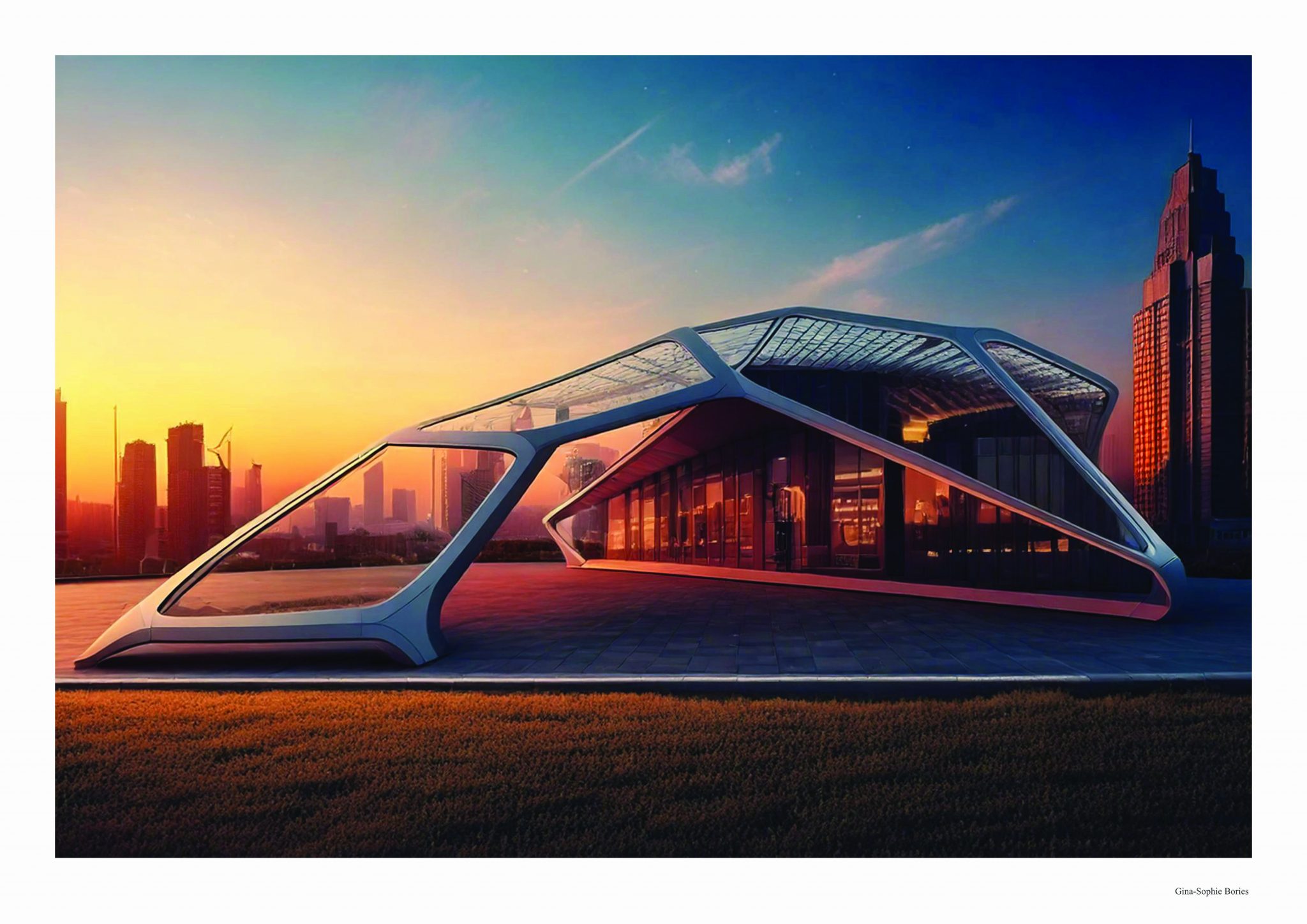
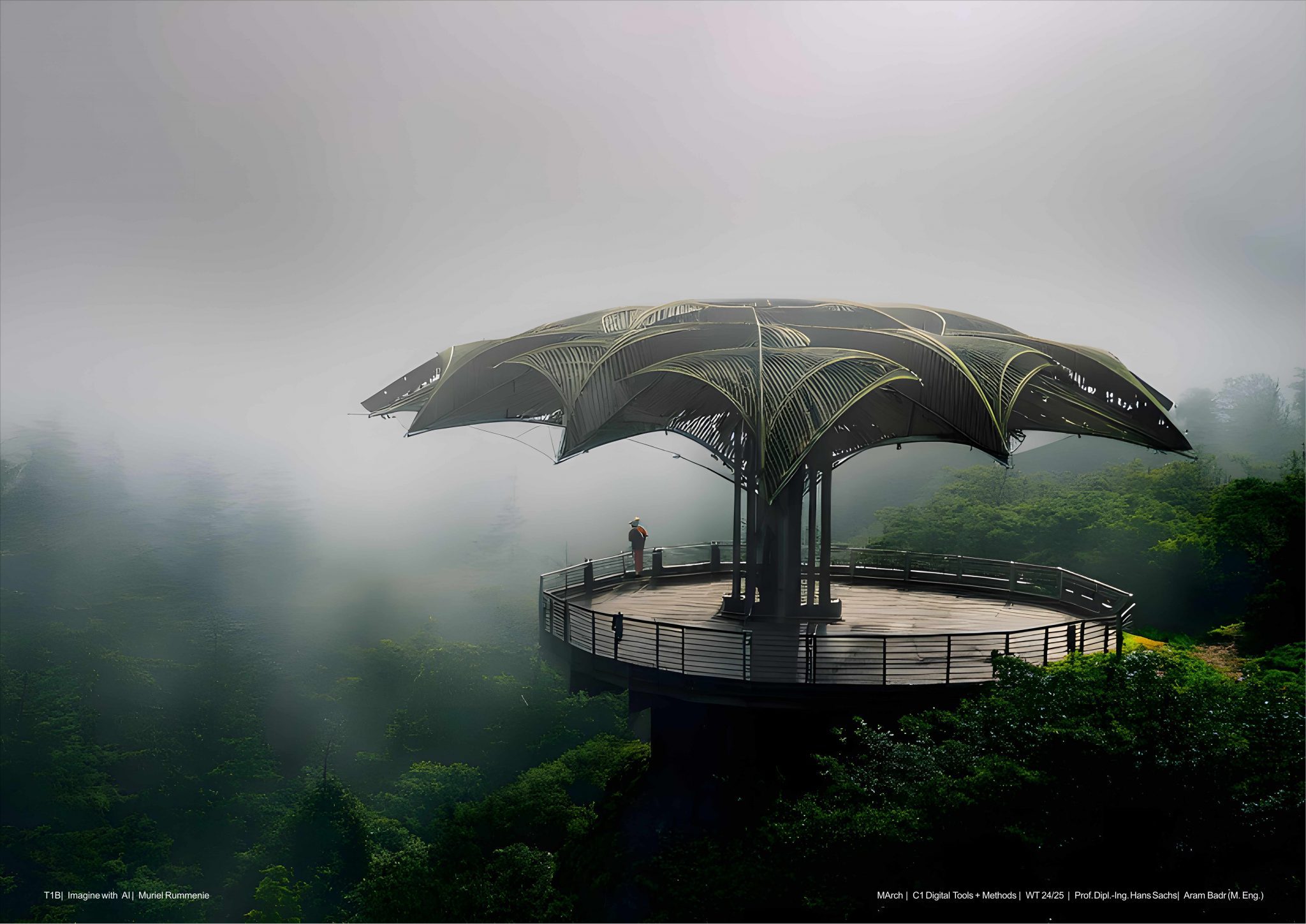
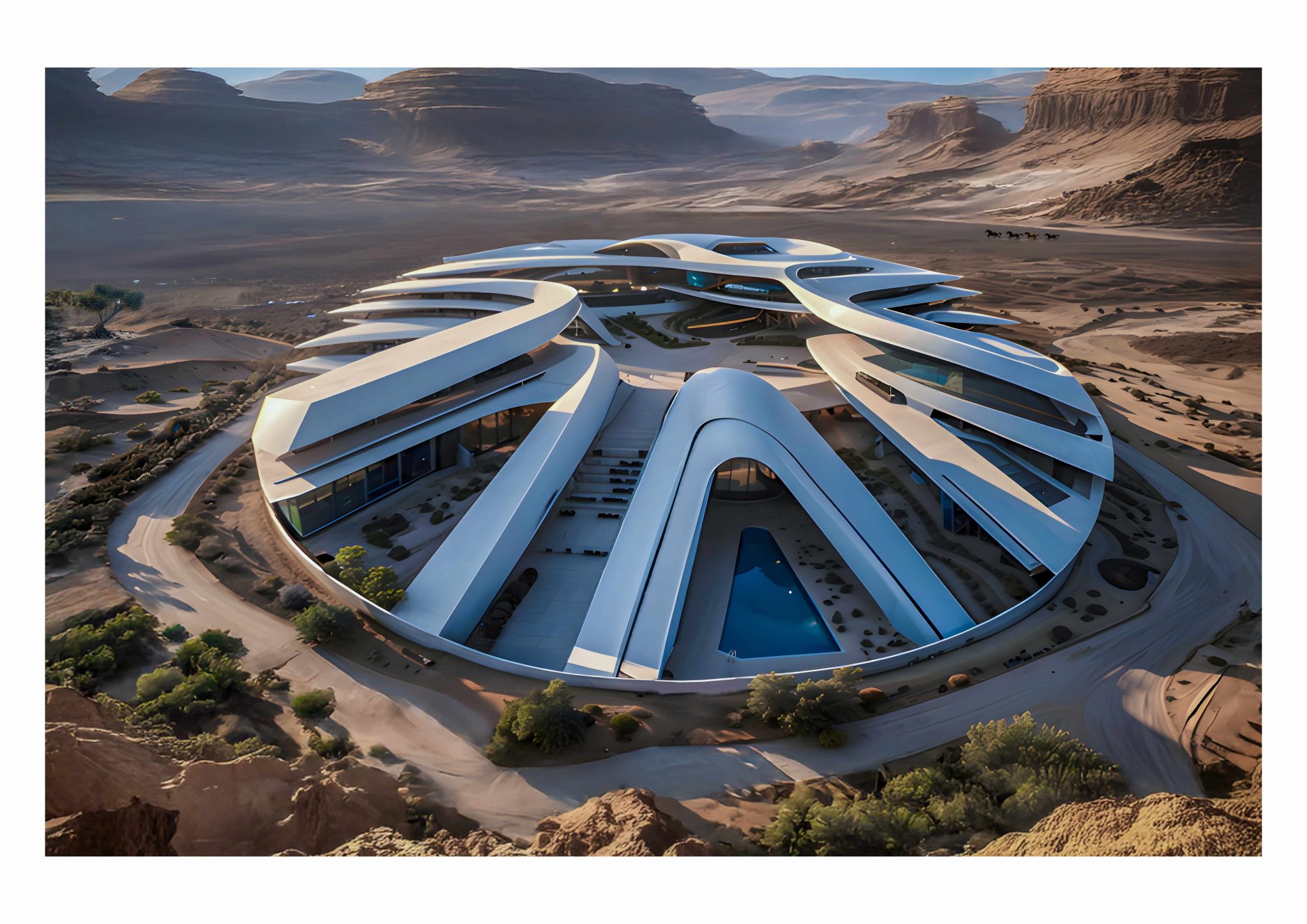
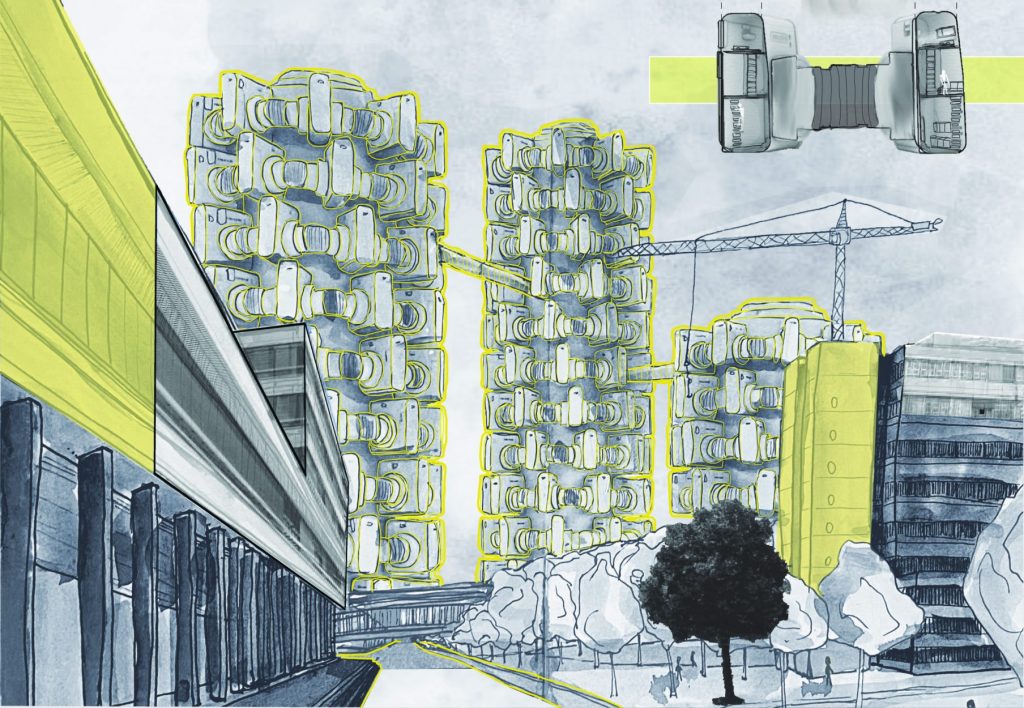
Based on the physical model developed in task 1A the students are assigned to create a collage illustrating an adaptive, extendable architectural system.
The task focuses on deliberately integrating AI generative tools in the design process, aiming to enhance this process. This teaches the students to find a balance between human creativity and machine learning.
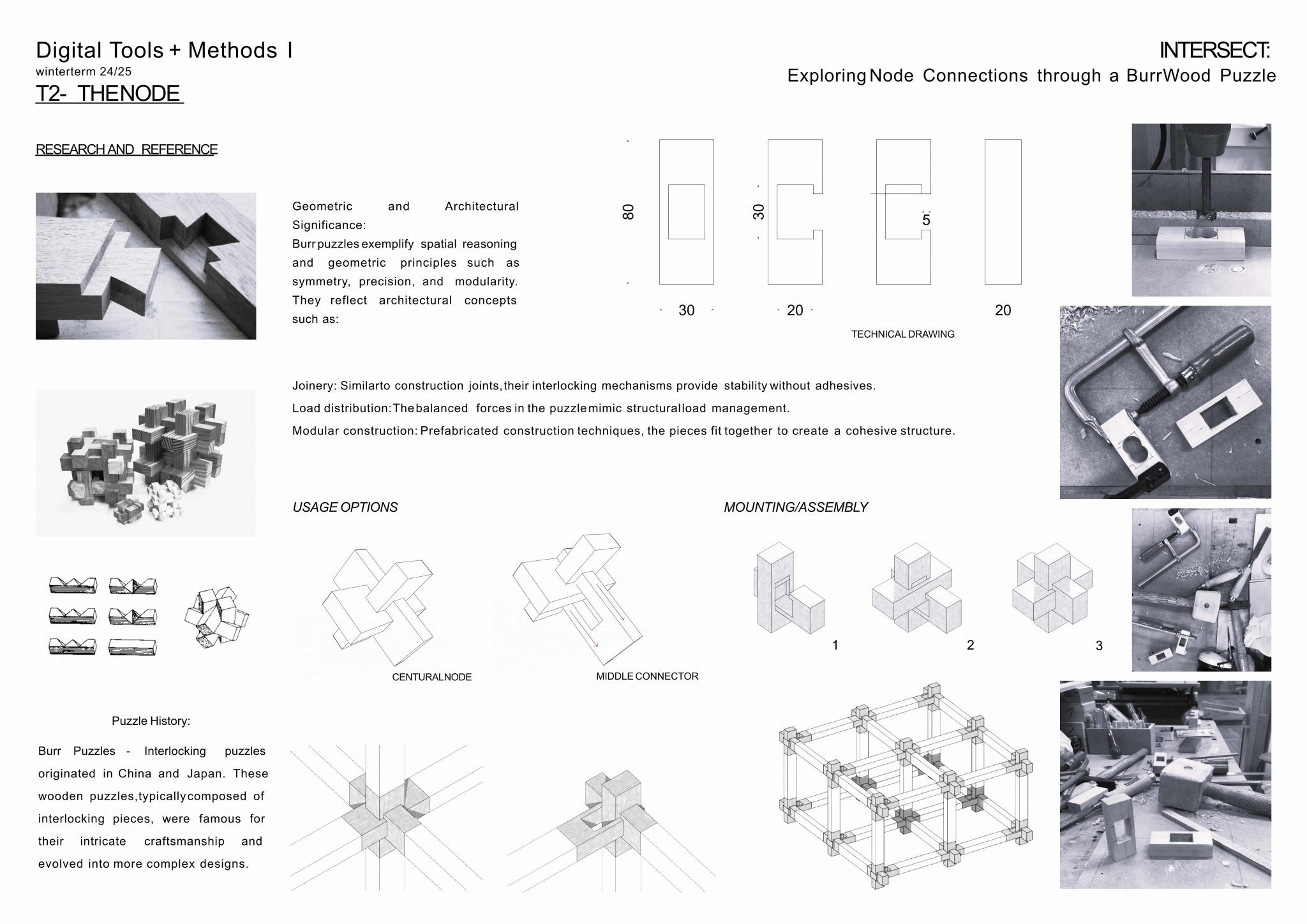
Task 2: The Node
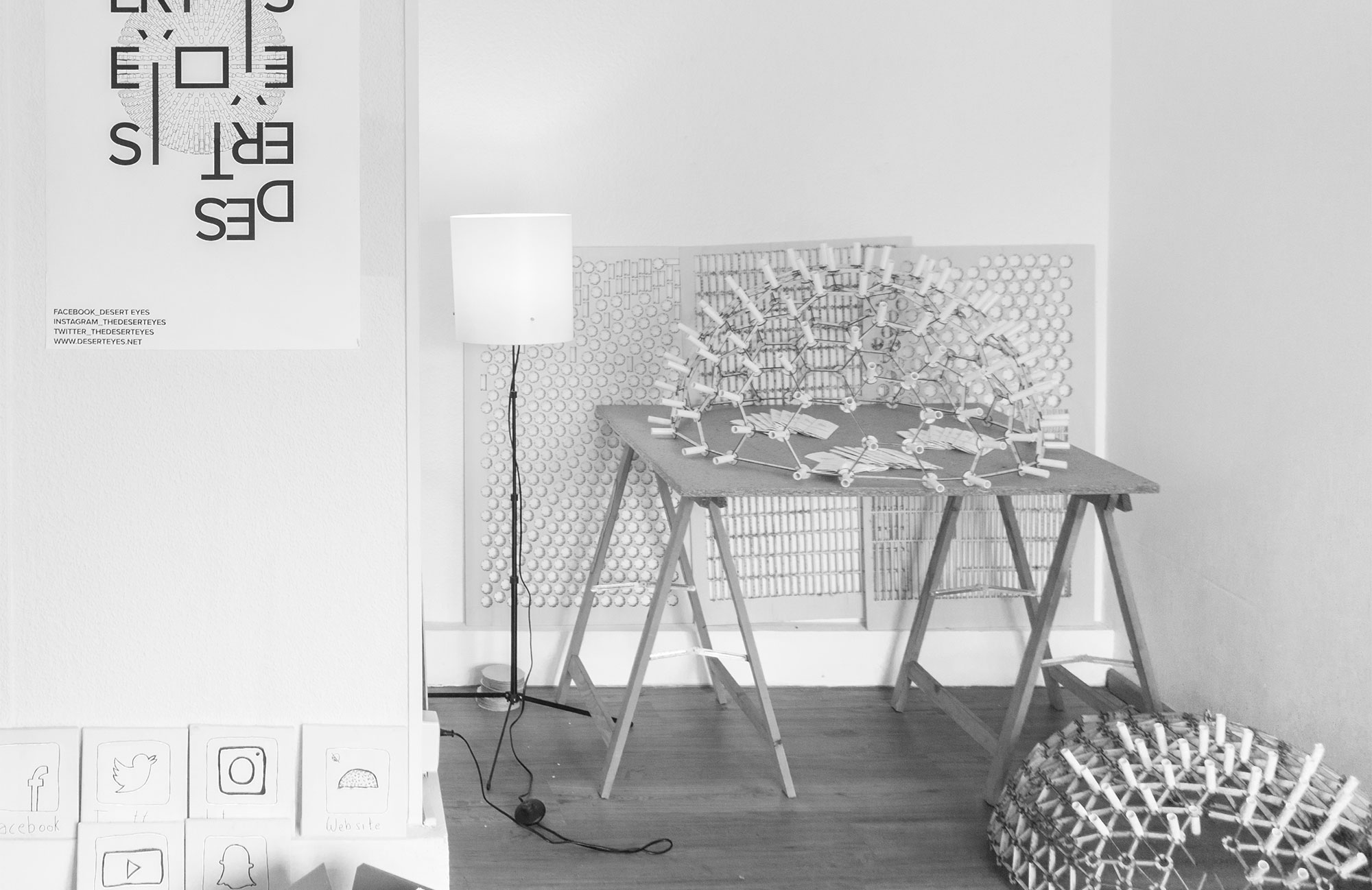
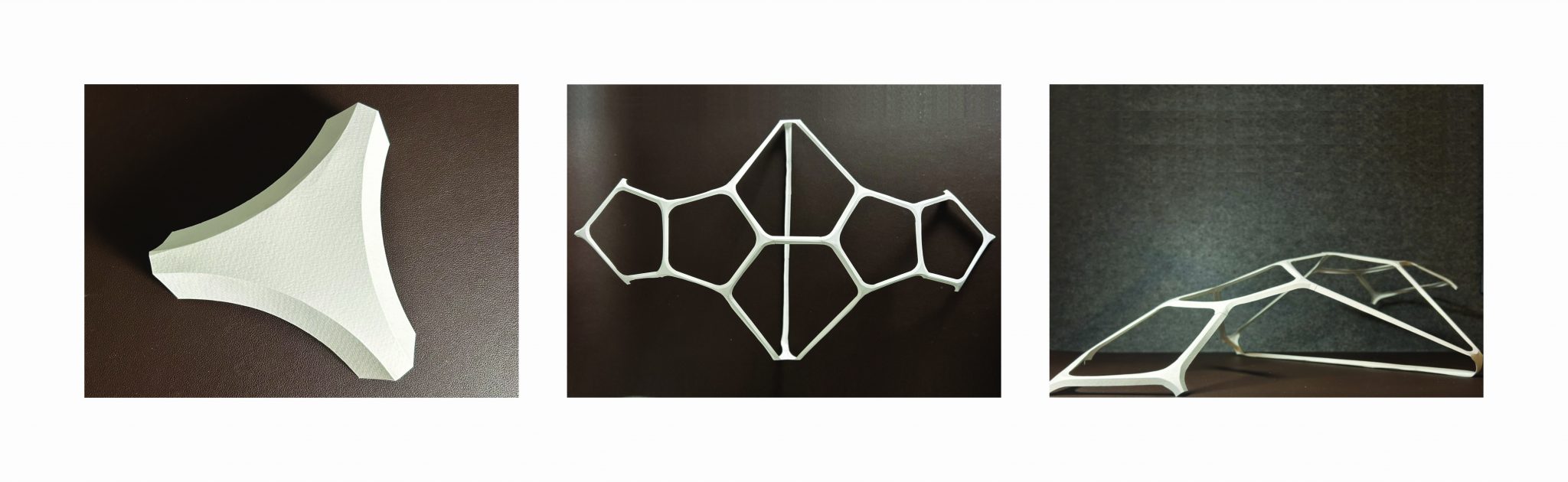
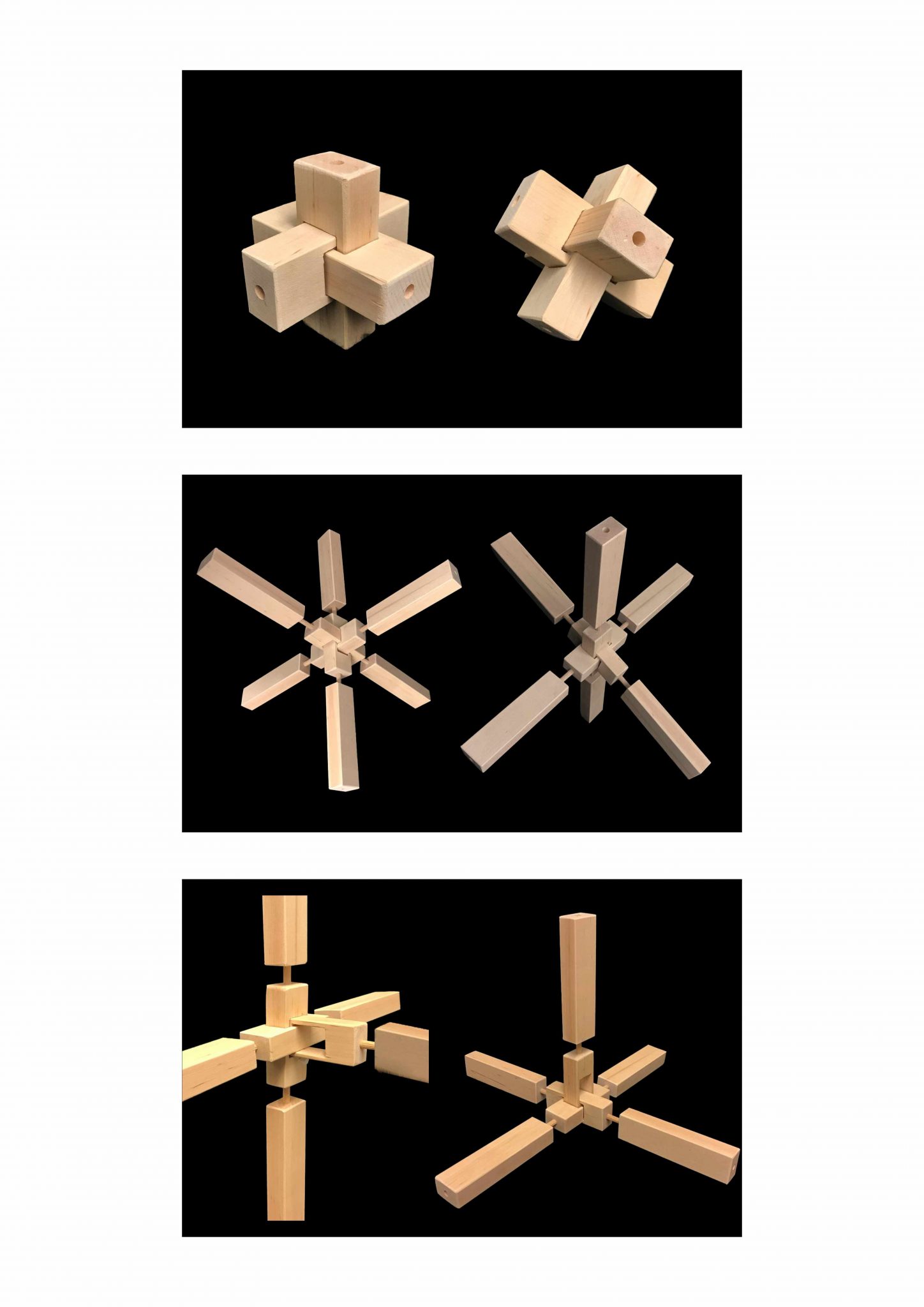
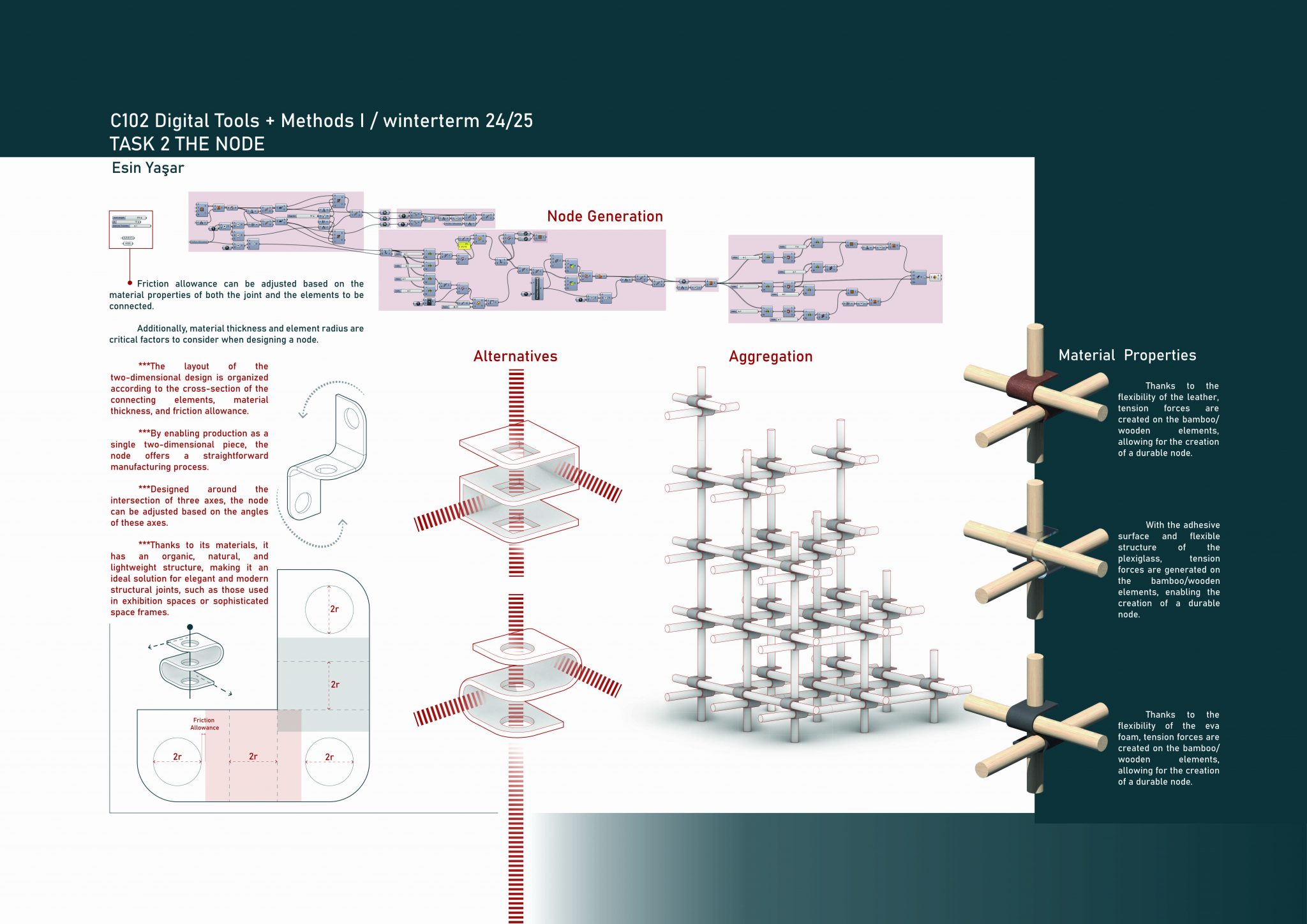
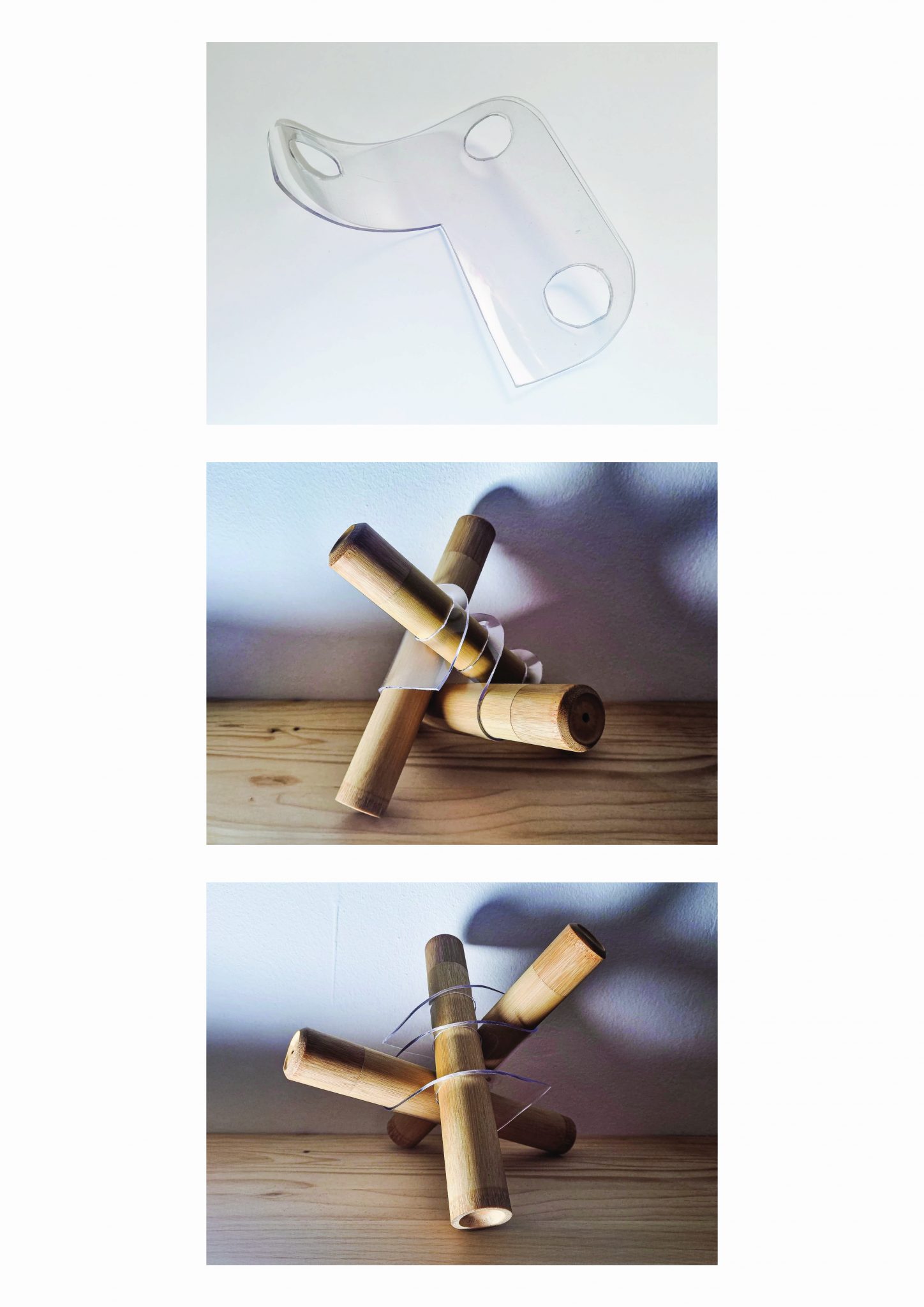
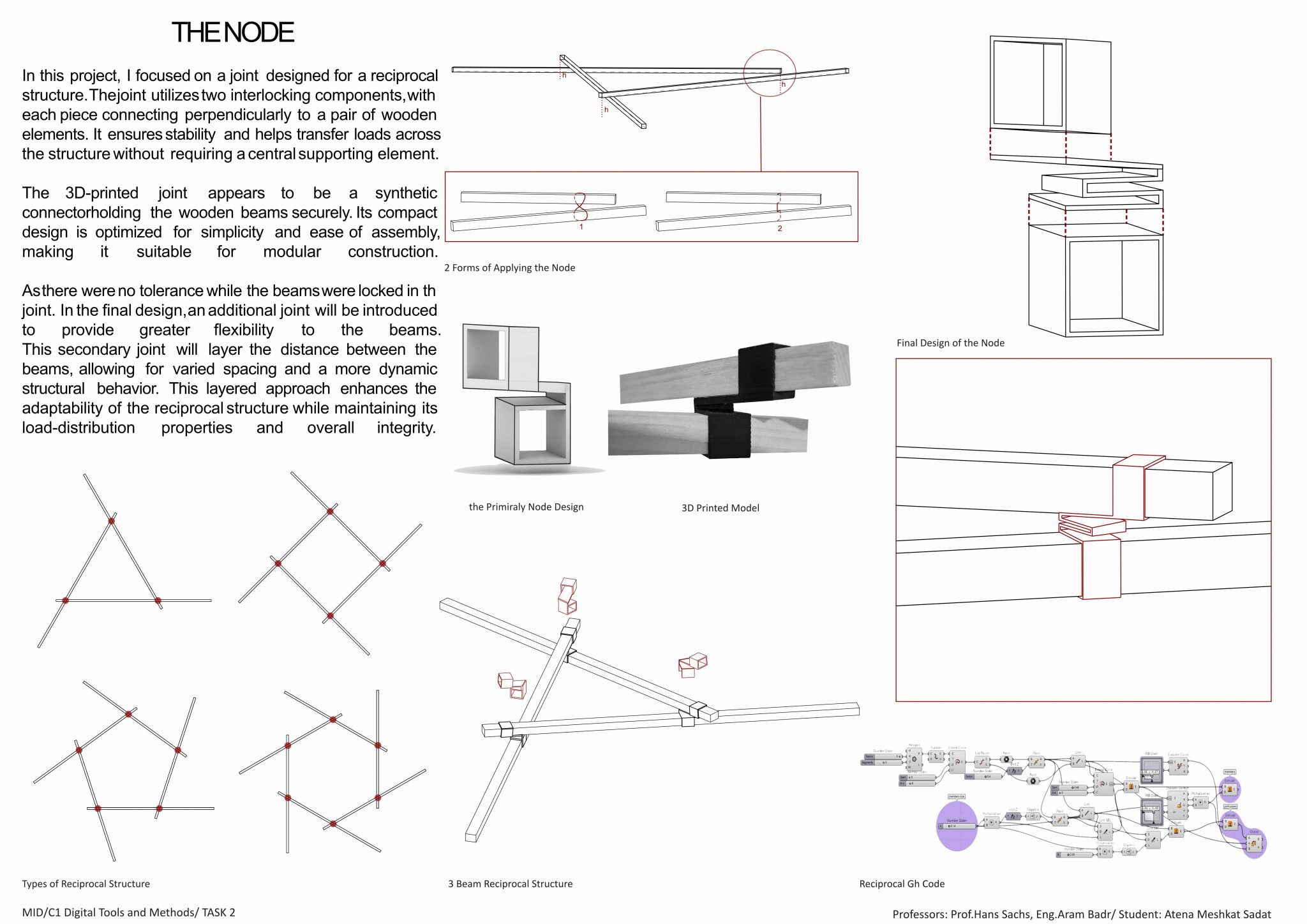
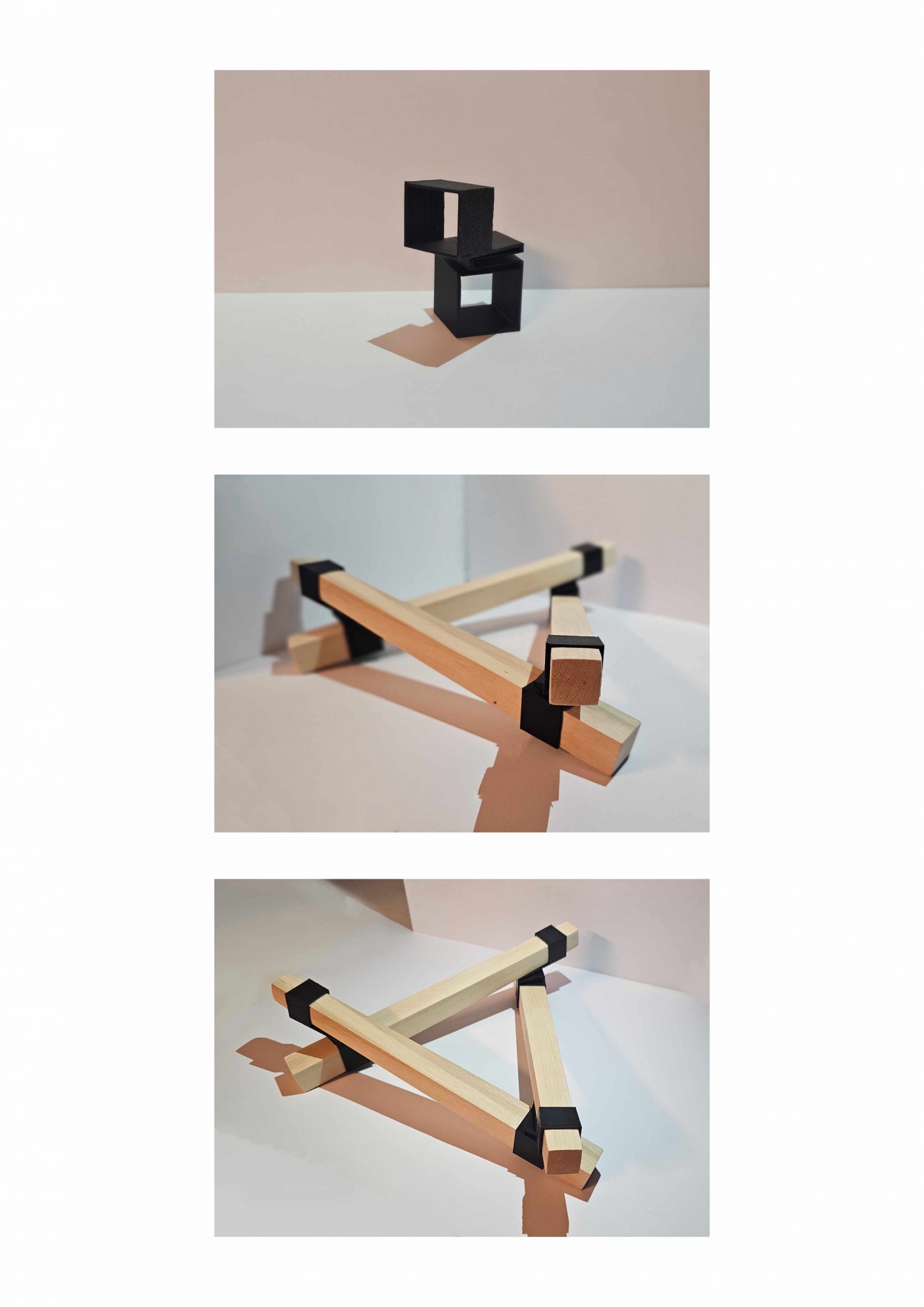
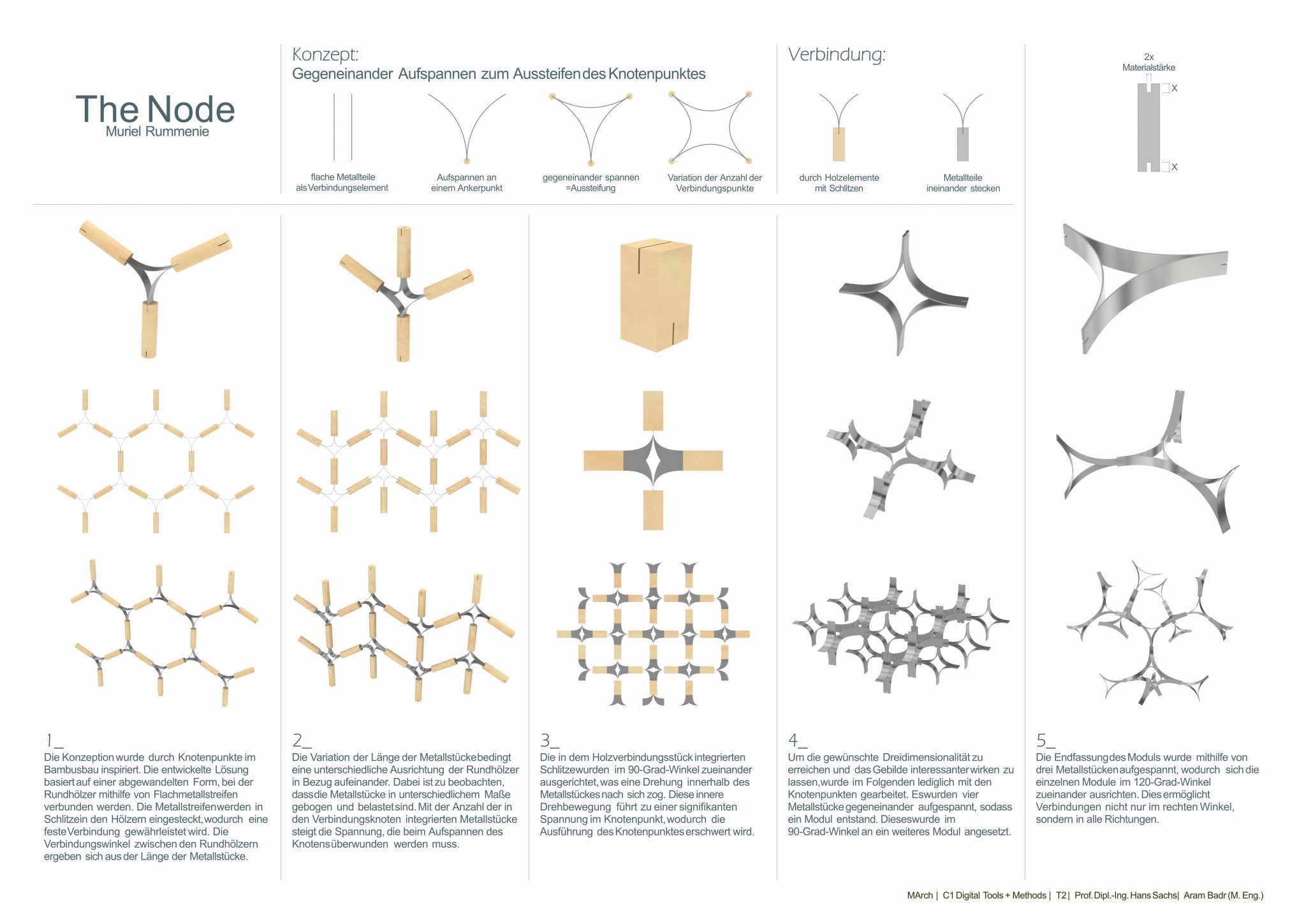
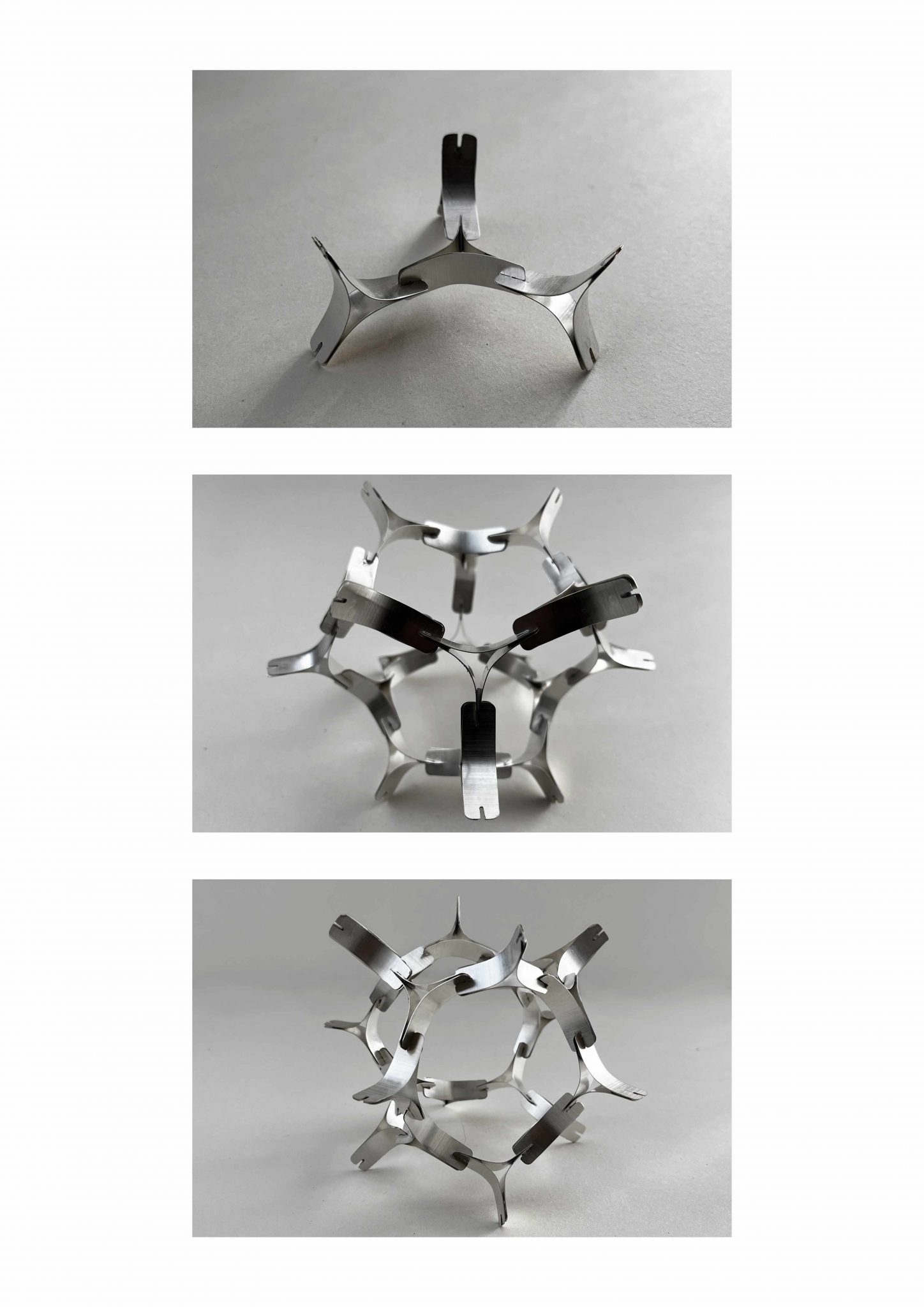
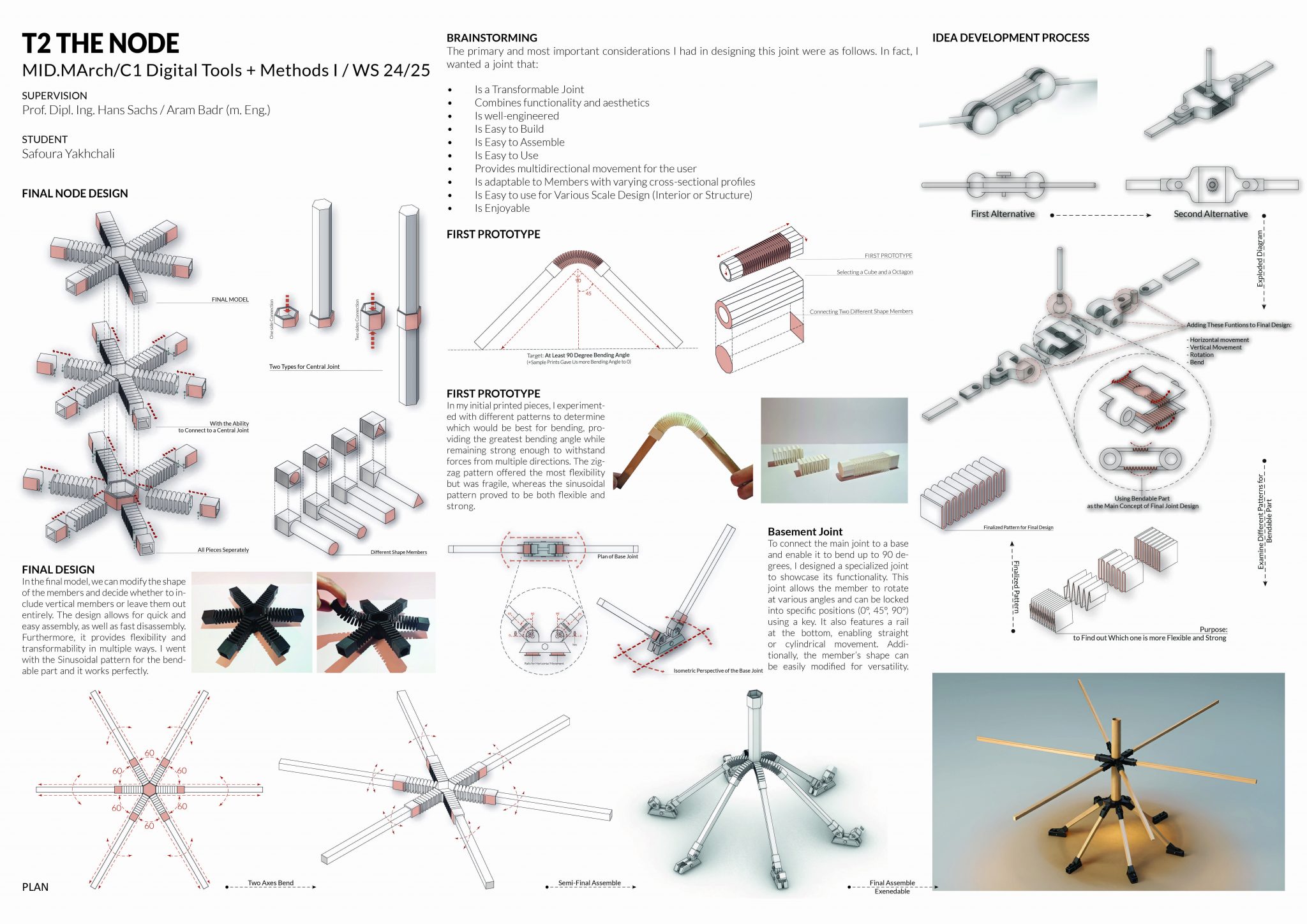
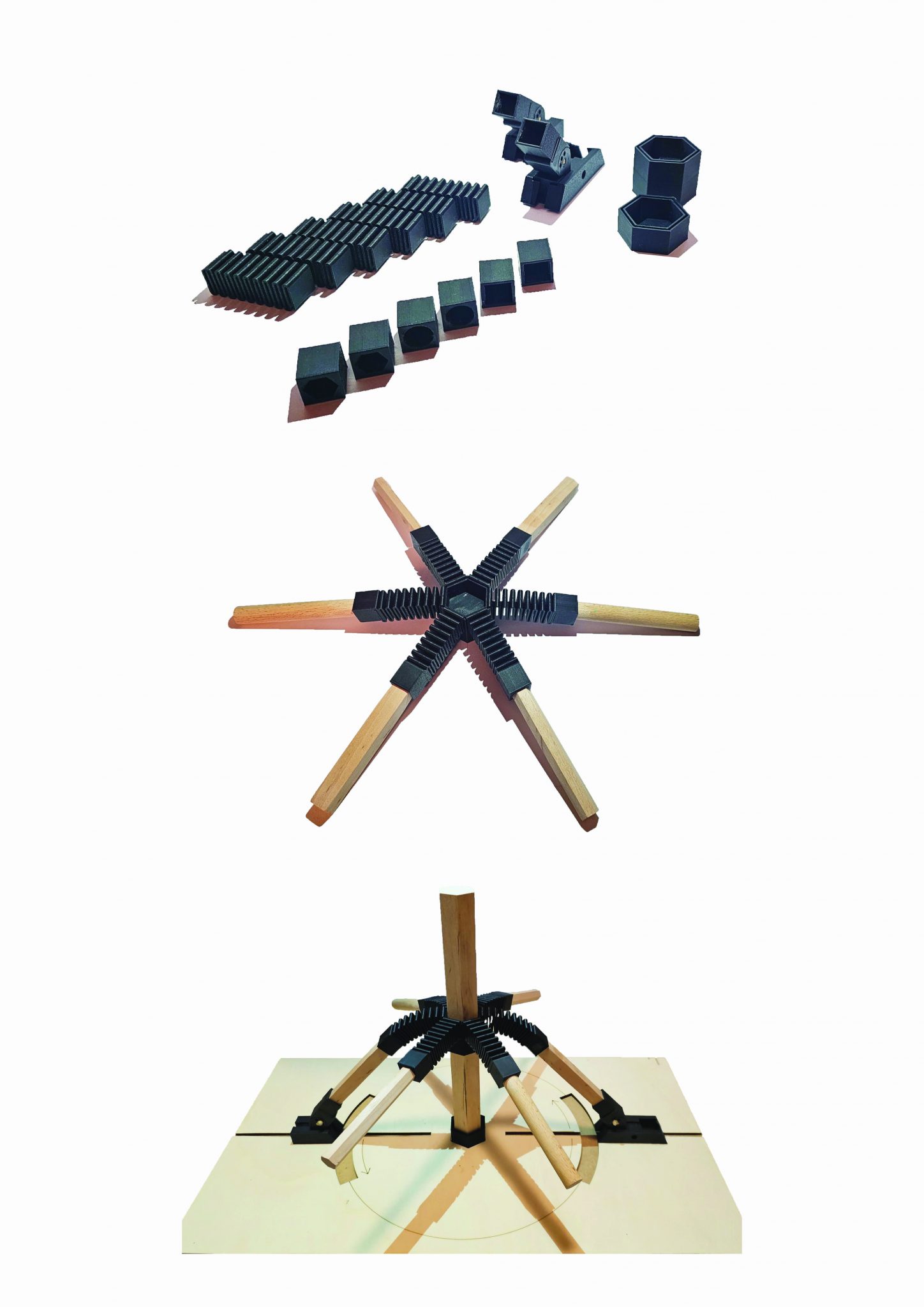
Purpose of this task is the development of a connector system through a hands-on, iterative and research-driven approach.
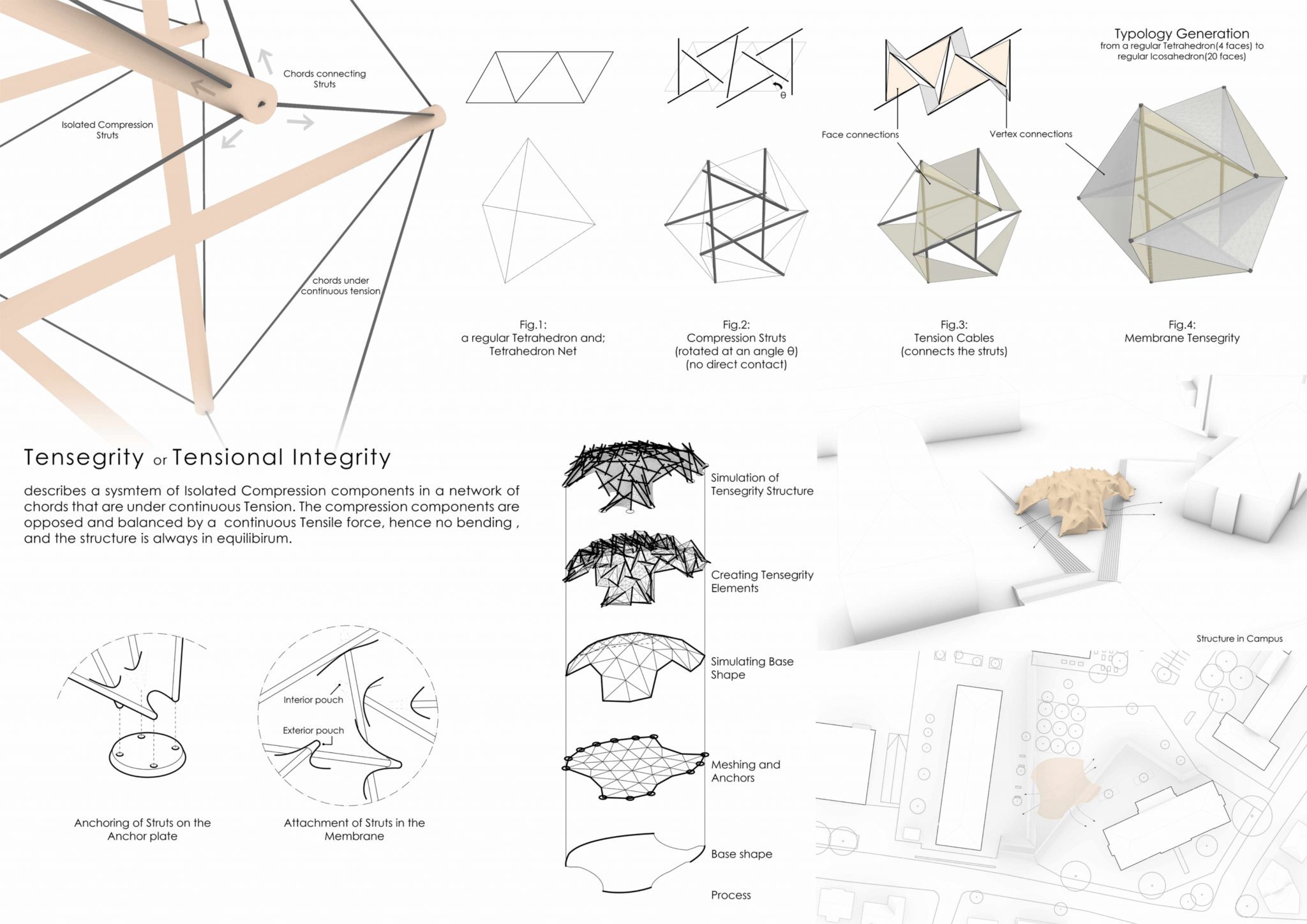
This means exploring the possibilities and limitations of different chosen materials and integrating the gained knowledge in the following digital modelling phase and design process. In addition to designing and modelling the connector system, the students also translate these models into physical prototypes using laser cutters and 3D printing technologies.
This allows the students to gain an understanding of the interdependence of several design parameters – structural, functional, material and aesthetic.
Task 3: Liquid Structure
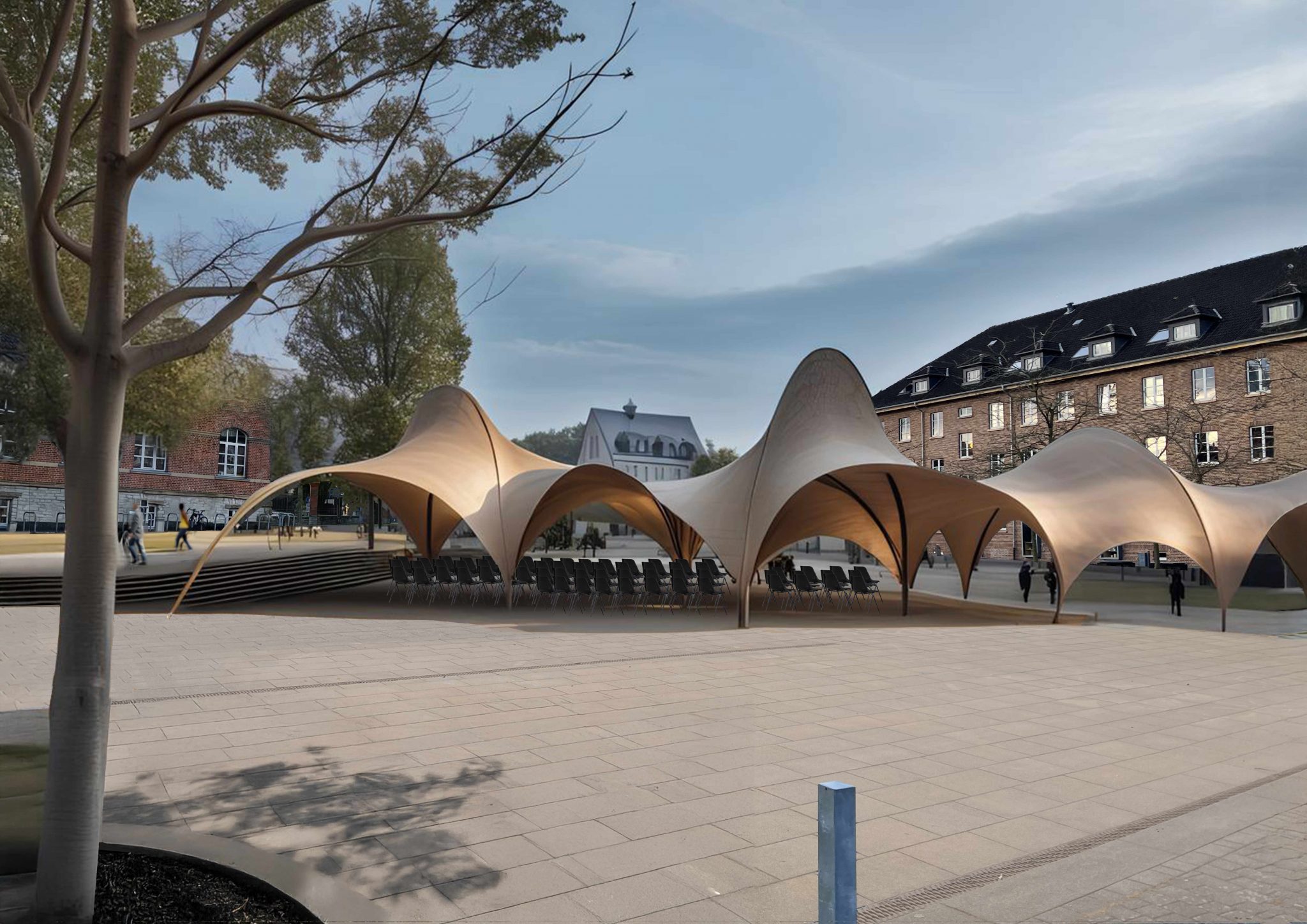
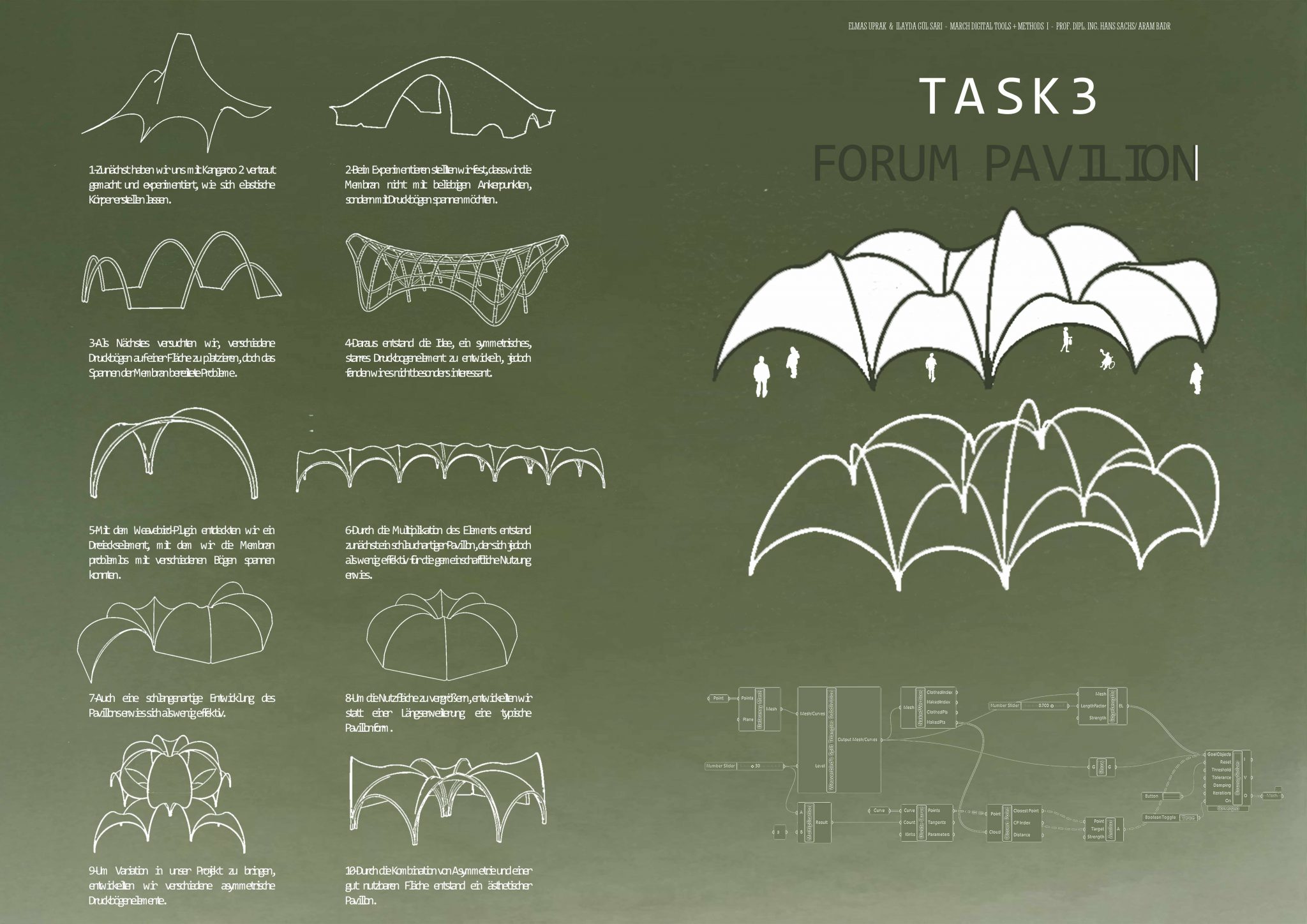
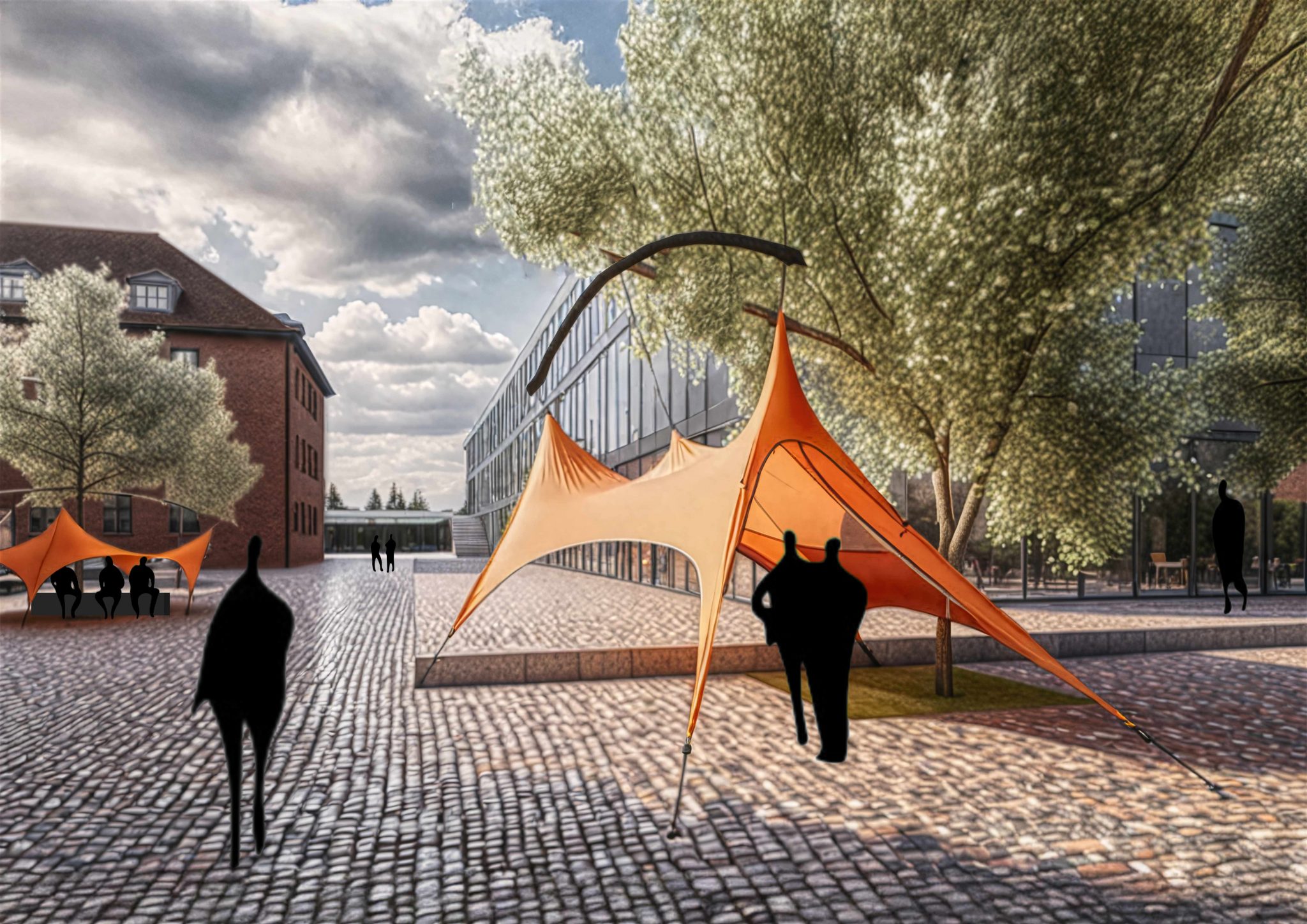
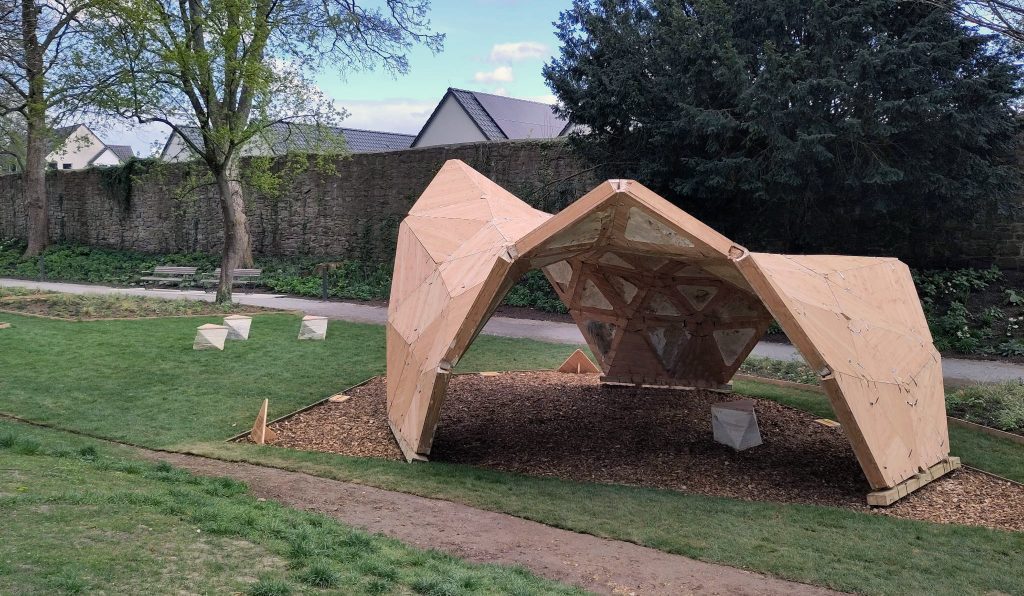
The last task challenges the students to develop a dynamic pavilion, roof structure, sculpture or architectural shelter in teams of two.
Inspired by new methods of connection, assembly and interaction the students create responsive, kinetic or transformable structures.
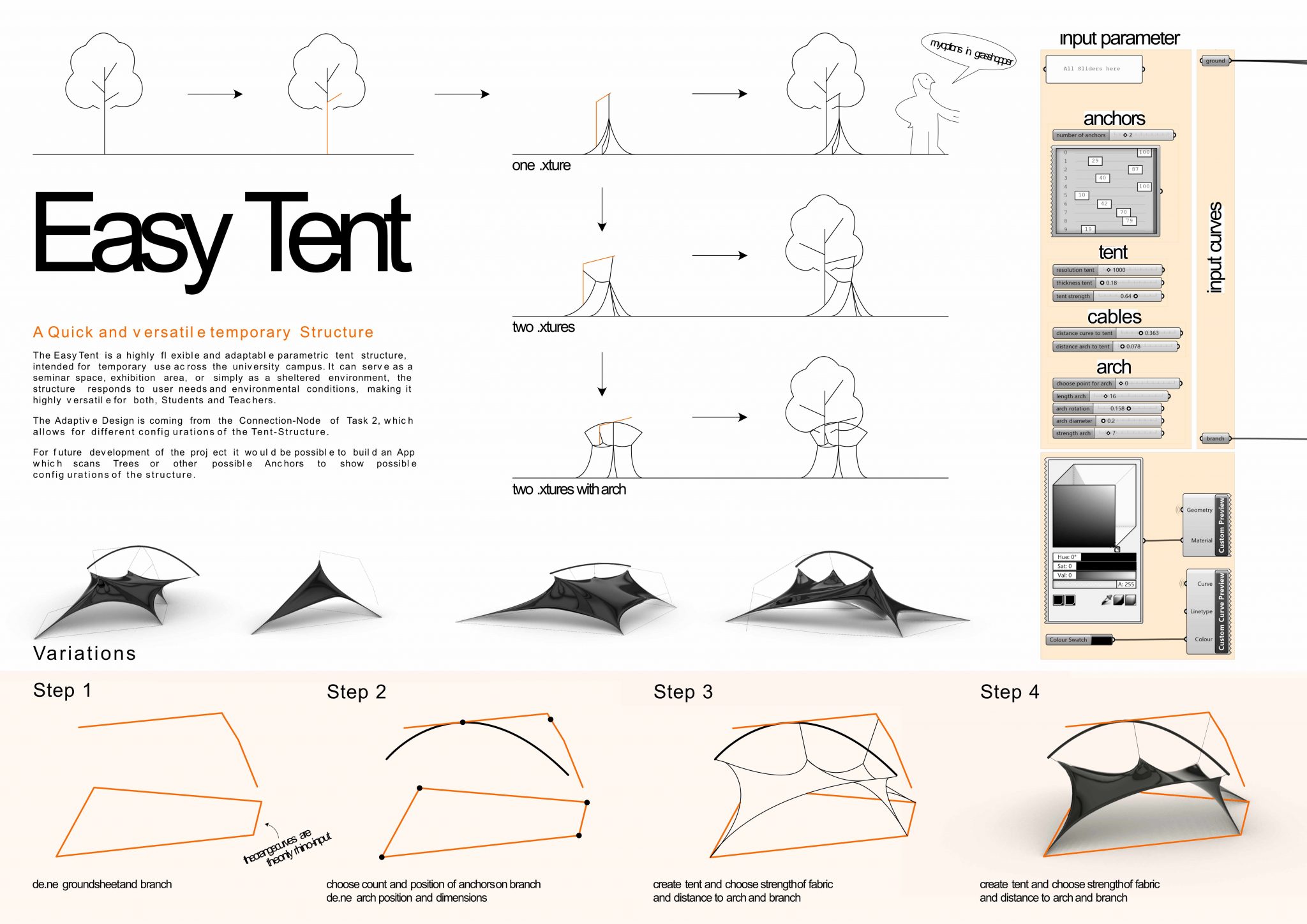
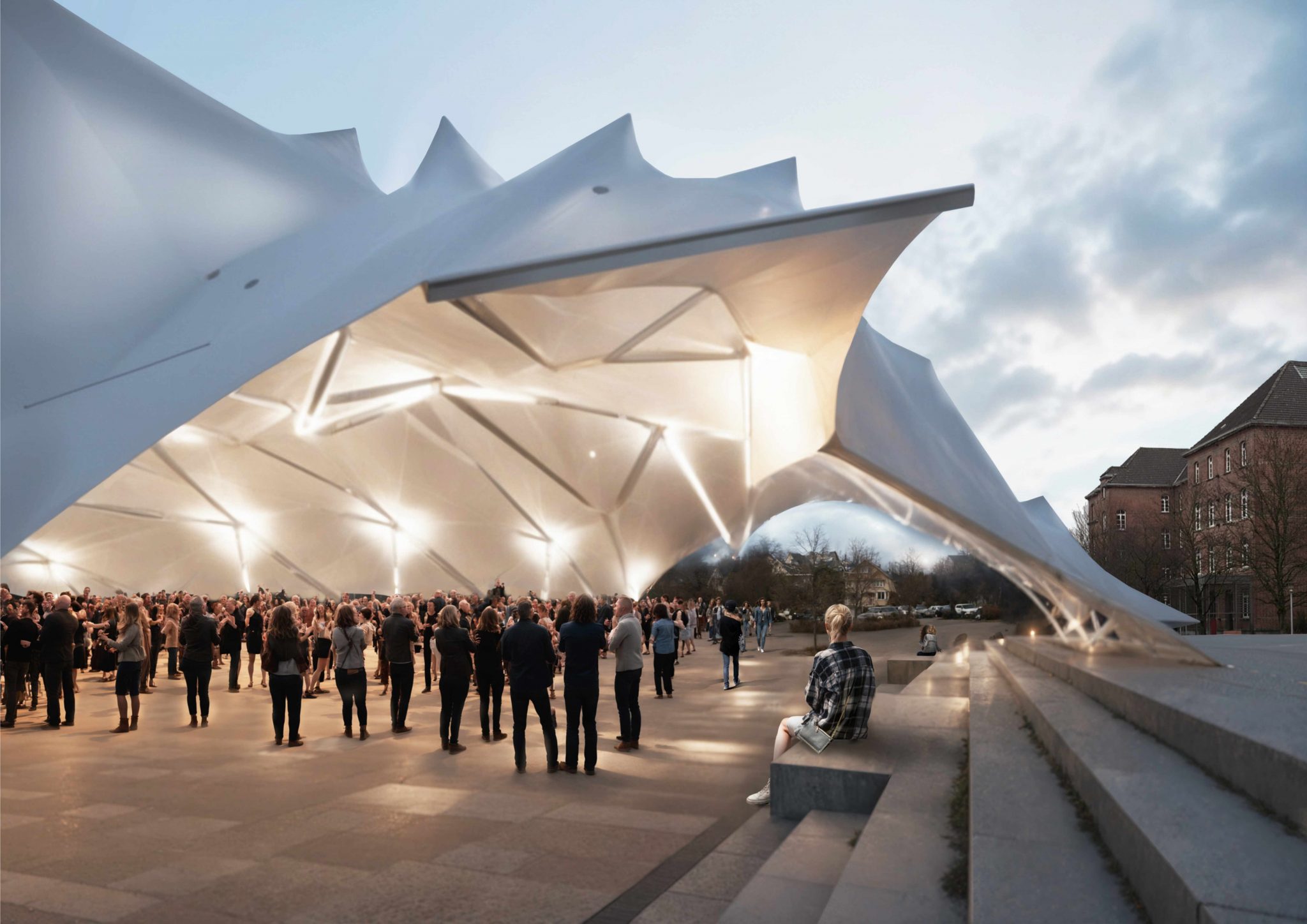
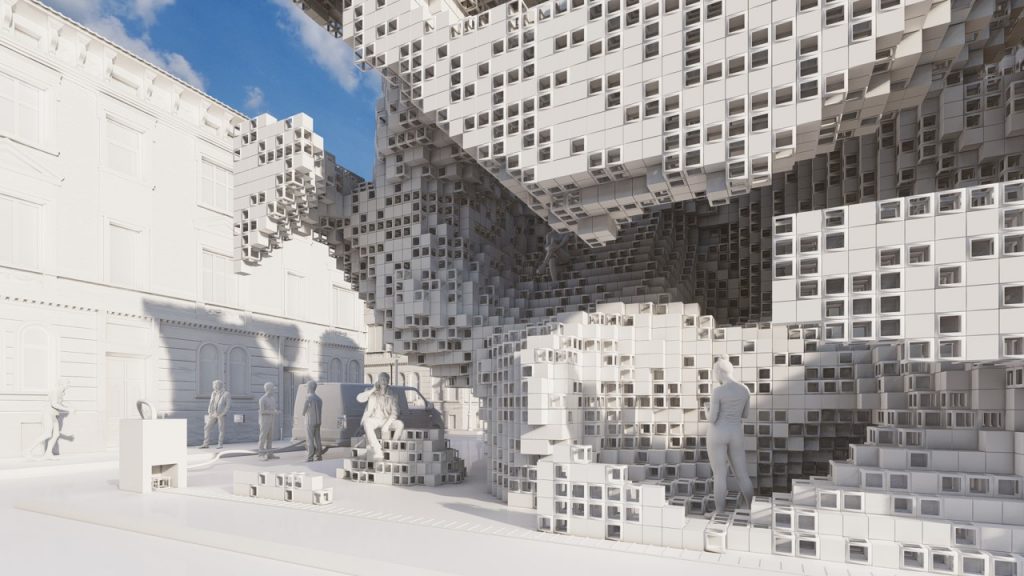
In order to present their concept and design effectively the students are assigned to visualize a single key image, while using generative modelling methods (Rhino 3D, Grasshopper) and AI tools for controlled rendering.

Task 1A - David Böckmann 
Task 1A - David Böckmann Task 1B - David Böckmann Task 1A - Gina-Sophie Bories Task 1A - Gina-Sophie Bories Task 1B - Gina-Sophie Bories Task 1A - Muriel Rummenie Task 1A - Muriel Rummenie Task 1B - Muriel Rummenie Task 1A - Bishal Sunar Task 1A - Bishal Sunar Task 1B - Bishal Sunar Task 1A - Leon Schittek Task 1A - Leon Schittek Task 1B - Leon Schittek Task 2 - Yahya Boudhaimi 
Task 2 - Yahya Boudhaimi Task 2 - Esin Yaşar Task 2 - Esin Yaşar Task 2 - Atena Meshkat Sadat Task 2 - Atena Meshkat Sadat Task 2 - Muriel Rummenie Task 2 - Muriel Rummenie Task 2 - Safoura Yakhchali Task 2 - Safoura Yakhchali Task 3 - Elmas Uprak / Ilayda Gül Sari Task 3 - Elmas Uprak / Ilayda Gül Sari Task 3 - Shetty Hrithik Girish / Christian Schneider Task 3 - Shetty Hrithik Girish / Christian Schneider Task 3 - David Böckmann Task 3 - David Böckmann Task 3 - Leon Schittek / Sanyam Jain Task 3 - Leon Schittek / Sanyam Jain


More projects
MID
2025
BIOM-Fologram cd24

MID
2020
Thesis: Synthetic & Tangible Agents
CAAD
2022
Resilient City cad21
MID
2020
Open Project 19
MID
2024
Collaborative Robotics df24
MID
2024
Façade Reform Workshop
CAAD
2016
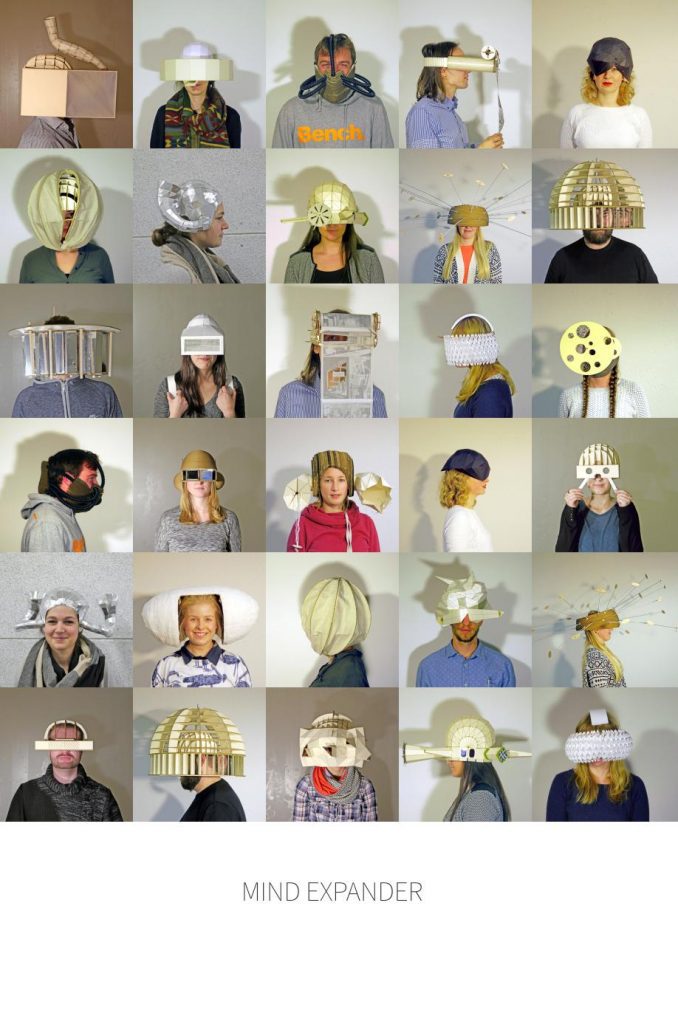
Mind Expander / TRANSFORMATION
MID
2025
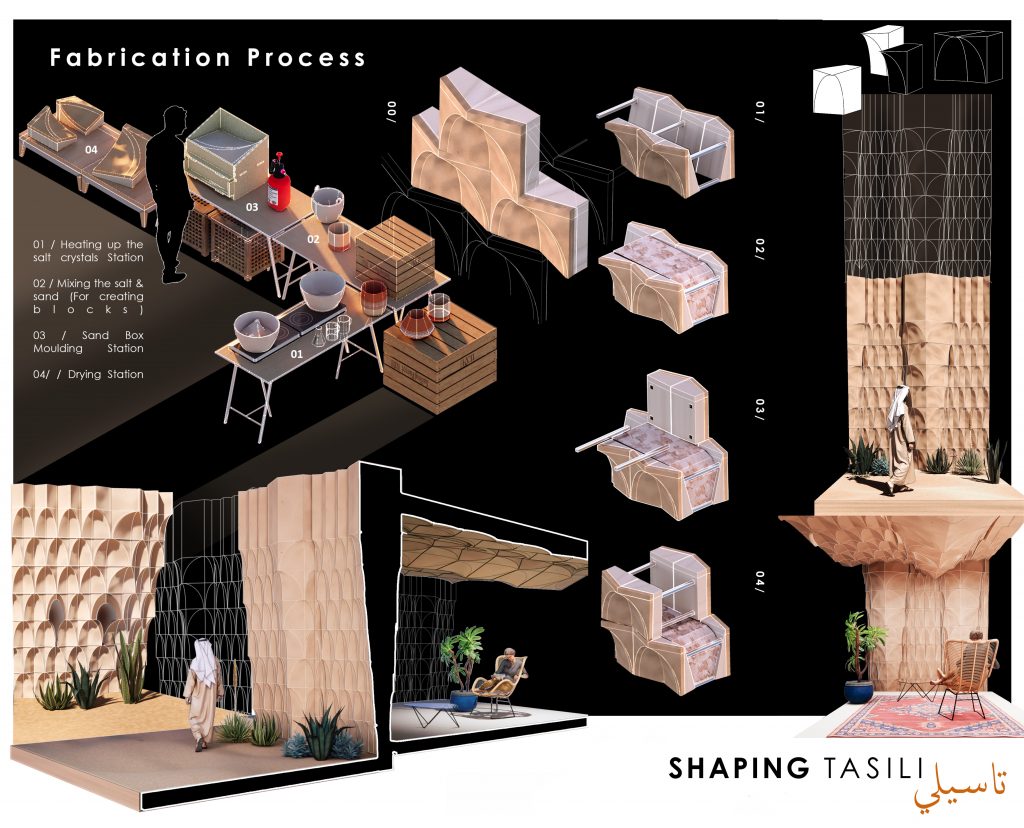
Open Project 24
MID
2020
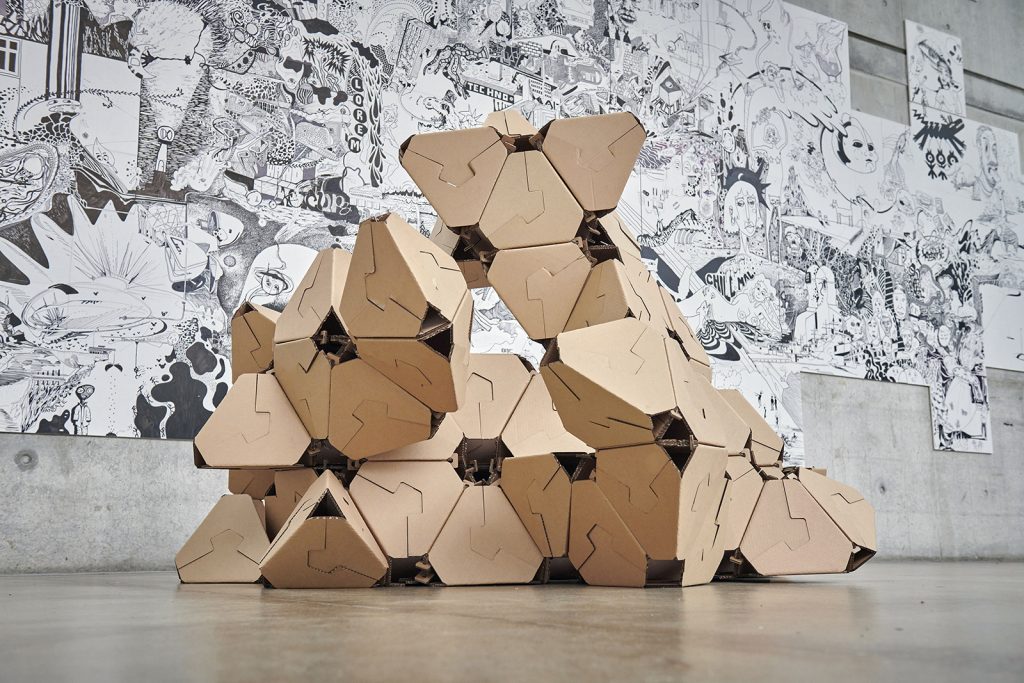
Cardboard Campus df22
MID
2021
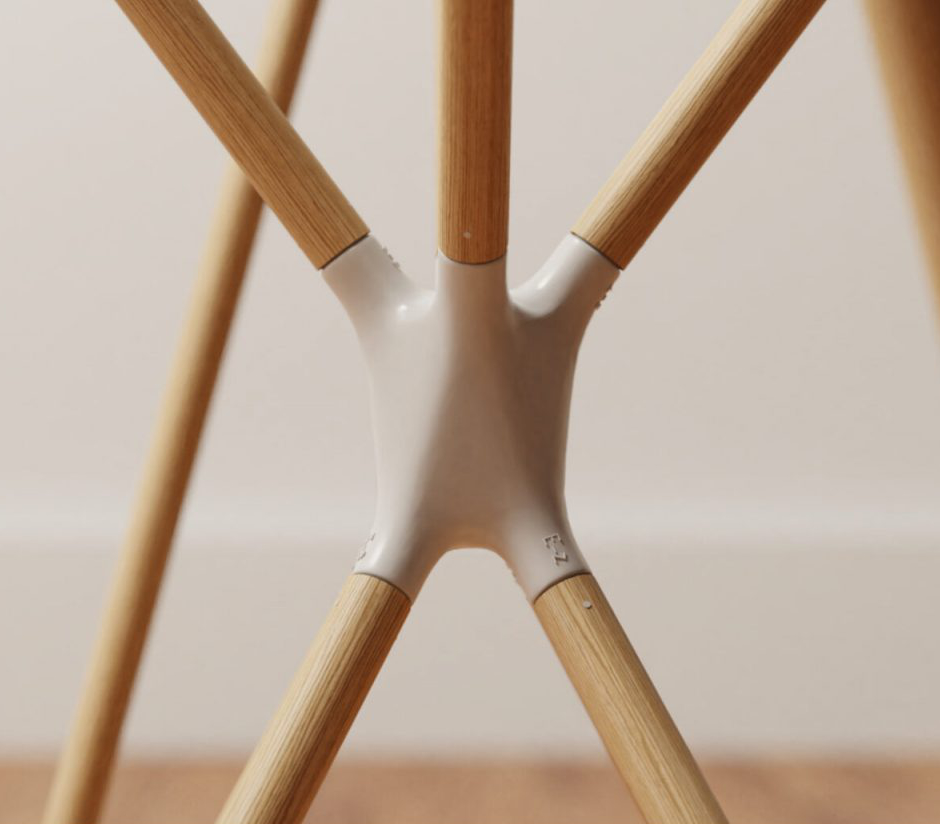
Adaptive Nodes cd20
CAAD
2017
Shared Towers cad16
CAAD
MID
Research
2025
Sustainable Façades
MID
2023
Nabitat id23
MID
2020
21st Century Skyscraper ibd20

CAAD
2016
Follow The White Rabbit / TRANSFORMATION
MID
2021
Open Project 20
CAAD
2021
Campus Cluster cad20
MID
2023
Gridshells dtmI 22
MID
2019
Hyper Mobility Hub ibd19
CAAD
MID
Research
2023
Mycelion
CAAD
2022
Living Machine vd22
CAAD
2020
Resilient City cad19

CAAD
2019
Cliffhanger vd19

CAAD
2016
Generative Skin
MID
2024